Key Takeaways
Finding an eco-friendly florist in Altona involves prioritizing local sourcing, reducing plastic waste, and opting for seasonal arrangements. These practices ensure high quality while minimizing environmental impact.
- Prioritize florists who source stems directly from Victorian growers to lower transportation emissions.
- Avoid shops that rely heavily on chemical-laden floral foam or non-recyclable plastic wrapping.
- Look for certifications or clear policies regarding organic pest management and composting.
- Choose in-season blooms which naturally align with Australian weather cycles for better longevity.
- Request minimalist or compostable packaging to keep your presentation as green as your bouquet.
Understanding eco friendly floral practices
Transitioning to sustainable floristry requires a shift away from traditional, chemical-heavy florist methods that currently dominate the global industry. By choosing to prioritize environmental health, local businesses in Altona are setting new standards for how flowers arrive at your doorstep without damaging the ecosystem.
Sourcing flowers from local Victorian growers
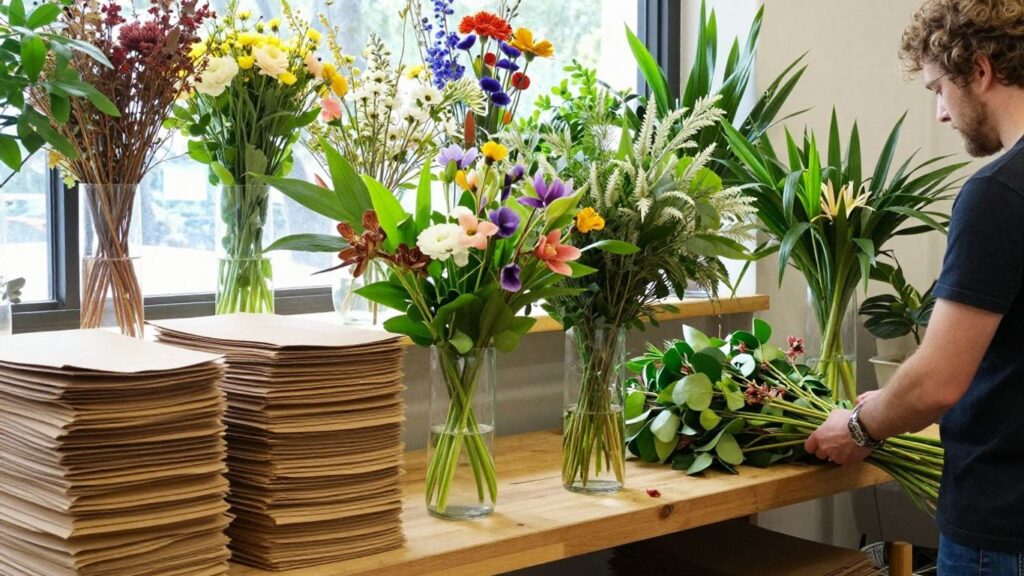
Working with local suppliers allows florists to bypass the massive carbon costs associated with air-freighted flowers from overseas. When you visit Altona’s Flower Studio, you see how regional partnerships keep transport distances short, ensuring that the blooms are as fresh as possible upon arrival. Here are the primary benefits of this regional focus:
- Reduces the energy needed for refrigerated transit.
- Supports regional farmers who utilize sustainable land management.
- Ensures varieties aren’t bred primarily for long-haul durability.
- Promotes a diverse selection of unique Australian native plants.
Avoiding microplastics and toxic floral foam
Professional florists are moving away from traditional green floral foam, which is a microplastic-heavy synthetic material that does not break down. Instead, experts now suggest using chicken wire or natural willow structures to secure stems firmly. By keeping citations consistent with environmental standards, these studios eliminate the seepage of toxic chemicals into neighborhood soil.
Implementing zero-waste packaging methods
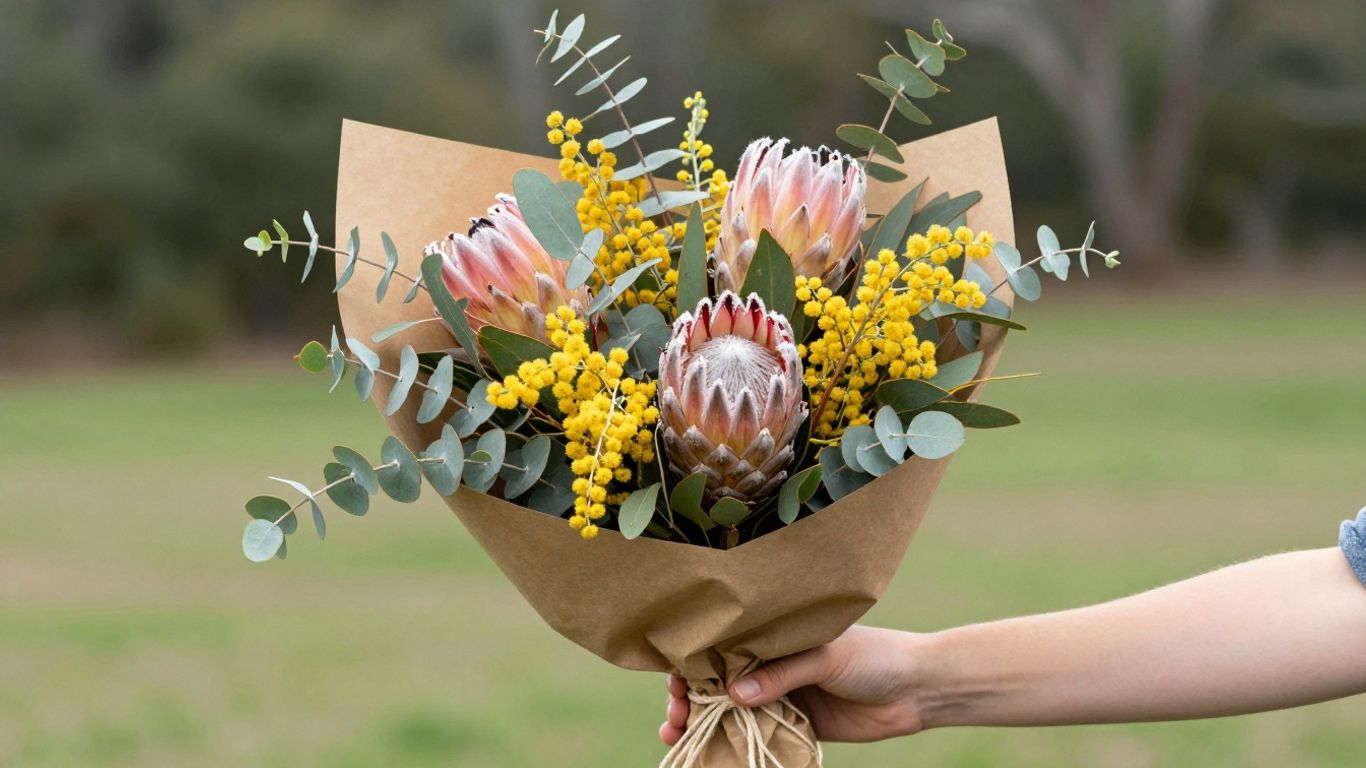
Moving toward a circular business model involves rethinking every piece of the delivery experience. Many studios in the region now provide fresh and beautiful blooms wrapped in recycled brown paper or reusable fabric wraps. These materials are far easier for the consumer to compost or cycle back into the local economy.
Benefits of choosing a sustainable florist in Altona
Selecting a florist committed to environmental stewardship provides significant advantages that extend far beyond the beauty of a single arrangement. When customers vote with their wallets, they encourage a shift toward circular business models that protect the local landscape for future generations of floral enthusiasts.
Supporting local agriculture and community biodiversity
Sustainable practices foster growth in the local agricultural sector, allowing family-run farms to thrive while maintaining healthy soil. By avoiding the heavy chemical load common in international industrial farming, these local practitioners act as guardians of the surrounding Victorian environment.
Reducing the carbon footprint of your floral gifts
Florals that travel across continents carry a heavy hidden cost in fuel and cold-store electricity. By selecting locally grown arrangements, consumers significantly lower the energy consumed during the entire supply chain. It becomes very simple to save on delivery costs while simultaneously acting as a responsible buyer.
Championing ethical labor standards within the industry
Ethical sustainability isn’t just about plants; it covers the people who grow, bundle, and arrange them. Opting for florists who work directly with local growers helps ensure that workers are treated with fairness and transparency at every stage of the floral lifecycle.
How to verify an florist’s eco-friendly claims
It is often difficult to distinguish greenwashing from genuine intent, so a bit of curiosity helps significantly when selecting your provider. A truly sustainable business is typically happy to explain their processes and sourcing habits without hesitation.
Assessing supply chain transparency and sourcing
Ask your florist where their flowers originated on any given week. If they mention specific Victorian growing regions, they are likely practicing more transparent sourcing than those who rely on wholesale hubs without knowing the original farm.
Checking for organic or chemical-free certifications
While formal certifications are relatively rare for smaller studios, many excellent florists maintain strong relationships with growers who verify their chemical-free status. Finding quality Methylene Blue or other specialty items might lead you to niche shops, but floral quality is easily checked by observing if blooms are pesticide-free.
Evaluating business waste management and composting policies
To help identify the best options, consider the table below, which summarizes a sustainable studio’s common operational practices compared to traditional alternatives.
| Feature | Eco-Friendly Florist | Traditional Florist |
|---|---|---|
| Green Waste | Composted onsite | Tipped as landfill |
| Packaging | Recycled paper | Plastic sleeves |
| Stem Securing | Chicken wire | Plastic foam |
As indicated, observing how a studio handles its daily waste is the most efficient filter for verifying their dedication to the planet.
Seasonal flower selection in the Altona region
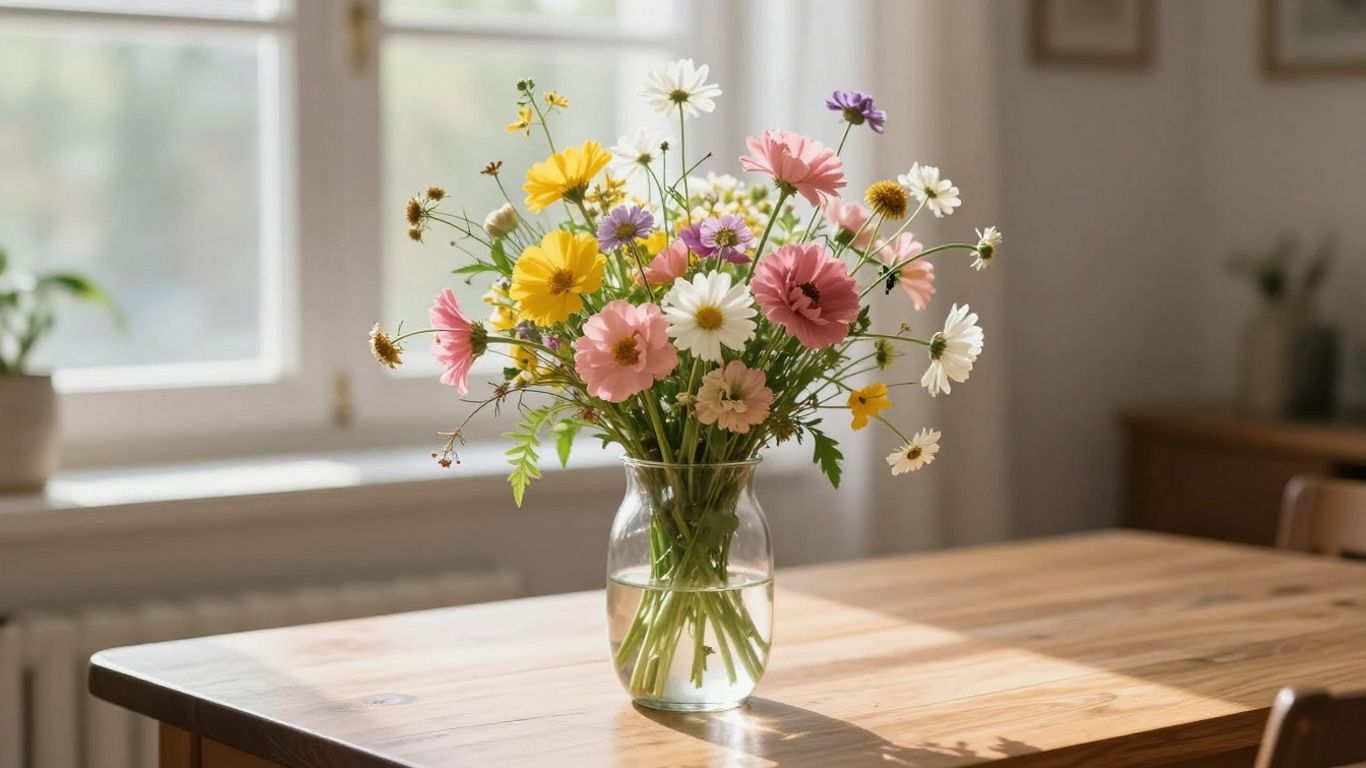
Working in harmony with the natural rhythm of the seasons is the hallmark of every respected florist in the area. Nature provides specific colors, textures, and varieties at different times of the year, which makes local bouquets feel authentic and grounded.
Embracing blooms native to the local climate
Native plants are hardy, water-efficient, and perfectly adapted to the local Melbourne environment. These varieties often require fewer interventions, pesticides, or excess water to flourish, making them the superior choice for any sustainable arrangement.
Adapting bouquets to Australian seasonal cycles
When you express your love through flowers, timing plays a critical role in the composition of your gift. By shifting expectations to mirror the actual weather outside, you ensure that every arrangement is at its peak density, size, and vibrant color.
Why seasonal arrangements provide better longevity
Because seasonal blooms haven’t been forced to grow in unnatural conditions, they tend to remain robust for a longer duration indoors. Following blossom by daisy tips often results in arrangements that last twice as long as imported, out-of-season alternatives. To visualize the process, take a look at the following demonstration.
Tips for extending the life of your sustainable flowers
Caring for your flowers after they arrive is the final step in a truly sustainable workflow. By maintaining the freshness of your blooms, you get more value from each purchase and reduce the need for repeat deliveries.
Proper stem trimming and hydration techniques
Keep your flowers vibrant by trimming stems at a sharp 45-degree angle under running water. This prevents trapped air bubbles and allows the stem to drink efficiently, ensuring that the stems stay healthy and full of life for the longest possible window.
Selecting ideal locations for indoor arrangements
Avoid placing your floral display in direct sunlight, near fans, or right next to ripening fruit. Heat and ethylene gas effectively shorten the lifespan of cut flowers and can lead to uneven wilting across your bouquet.
Using natural additives to keep floral water fresh
Skip the commercial chemical packets; simply changing the water every two days is the most effective way to keep your arrangement clean. Adding a tiny amount of sugar or a splash of apple cider vinegar can help nourish the stems and discourage bacterial growth in the vase.
Sustainable gift wrapping and presentation options
Presentation is where a florist can finally tie their entire ethical philosophy together for the customer. The goal should be to create a beautiful aesthetic that doesn’t sacrifice the planet at the end of the unboxing experience.
Using biodegradable or recycled paper materials
Traditional cellophane is a non-recyclable pollutant that stays in the environment for centuries. By switching to recycled craft paper or FSC-certified paper, businesses provide a beautiful, texture-rich aesthetic that can be safely composted in home garden bins.
Choosing reusable containers for local deliveries
Encouraging a circular model, such as renting ceramic vases for events or using locally made wooden troughs, minimizes the need for single-use containers. This is a common practice when using eBay listing software to manage small-scale artistic supplies for artisanal floral projects.
Prioritizing minimalist design over excess embellishments
Often, the beauty of the flowers themselves is more than enough to impress. By reducing reliance on glittery ribbons, printed plastic labels, or synthetic filler ribbons, florists deliver a sophisticated, refined look that respects the natural composition of the stems.
Conclusion
Building a meaningful connection with a local, sustainable florist in Altona allows you to enjoy the beauty of nature while upholding the values of environmental stewardship. By choosing to source seasonal, ethically grown flowers and opting for thoughtful, zero-waste presentations, you contribute directly to the health of our community and the preservation of our local ecosystems. Every bouquet you select is a vote for a greener, more conscious future that celebrates the incredible variety of our natural world, ensuring that your floral gifts are as kind to the earth as they are stunning to behold.
Frequently Asked Questions
How can I tell if flowers are actually sustainable?
Look for florists who provide information about their specific growers, avoid excessive non-recyclable packaging, and promote seasonal varieties rather than forcing blooms that don’t match the current climate.
Why is floral foam bad for the environment?
Floral foam is a type of microplastic material that breaks down into tiny particles, which are nearly impossible to filter out of water systems and are harmful to both marine and animal life.
Should I choose native flowers over imported varieties?
Yes, native plants are typically much better for the local environment as they require fewer resources and are far better at supporting local pollinators and community biodiversity throughout the year.
How often should I change the water in my vase?
It is best to change the water at least every second day, ensuring that you clean the vase thoroughly to prevent bacteria or fungi build-up that can contaminate the stem health.
Do sustainable florists offer same-day delivery?
Many high-quality local florists do offer same-day delivery if the order is placed early enough, often before their busy morning cut-off times, so it is always worthwhile to check their service policies.
How can I make my bouquet last longer in the heat?
Keep your flowers in a cool room, away from direct sunlight or drafts, and consider moving them to a cooler spot in the house overnight to help them recover and stay fresher for longer.
Is it possible to find zero-waste wedding flowers?
Absolutely, many modern florists specialize in sustainable wedding designs that avoid all plastic, using structures like willow or chicken wire to create lasting, eco-conscious installations for ceremonies.