Key Takeaways
Choosing blooms per the month of birth adds a personal touch to any bouquet. Use this guide to discover seasonal favorites and their deep-rooted meanings.
- January favors carnations for resilience.
- February centers on the modest violet.
- March signals spring with cheerful daffodils.
- Mid-year months bring bold lilies and roses.
- Autumn and winter celebrate marigolds and poinsettias.
1. January: Carnations
Carnations, particularly those known for their ruffled edges, stand out as the definitive bloom for the coldest month of the year. Their ability to thrive and maintain their composure in lower temperatures makes them a reliable choice for winter celebrations. Historically, these flowers have been used in garlands and ceremonies dating back to the ancient world.
Selecting a gift for someone born in January is easy with these flowers because they represent deep fascination and love. You might choose expert guide to determine the best varieties for a bouquet, ensuring your floral gift feels intentional. Their longevity in a vase is remarkable, often lasting far longer than more delicate spring options.
When we look at The Numbers Were Right. The Decision Was Wrong., we are reminded that clear communication about our intentions matters, just as choosing the right flower conveys a specific message. Whether you prefer deep red or pale pink, these hardy stems brighten even the dullest winter days. They provide a structural foundation that makes every arrangement feel substantial and thoughtful.
2. February: Violets
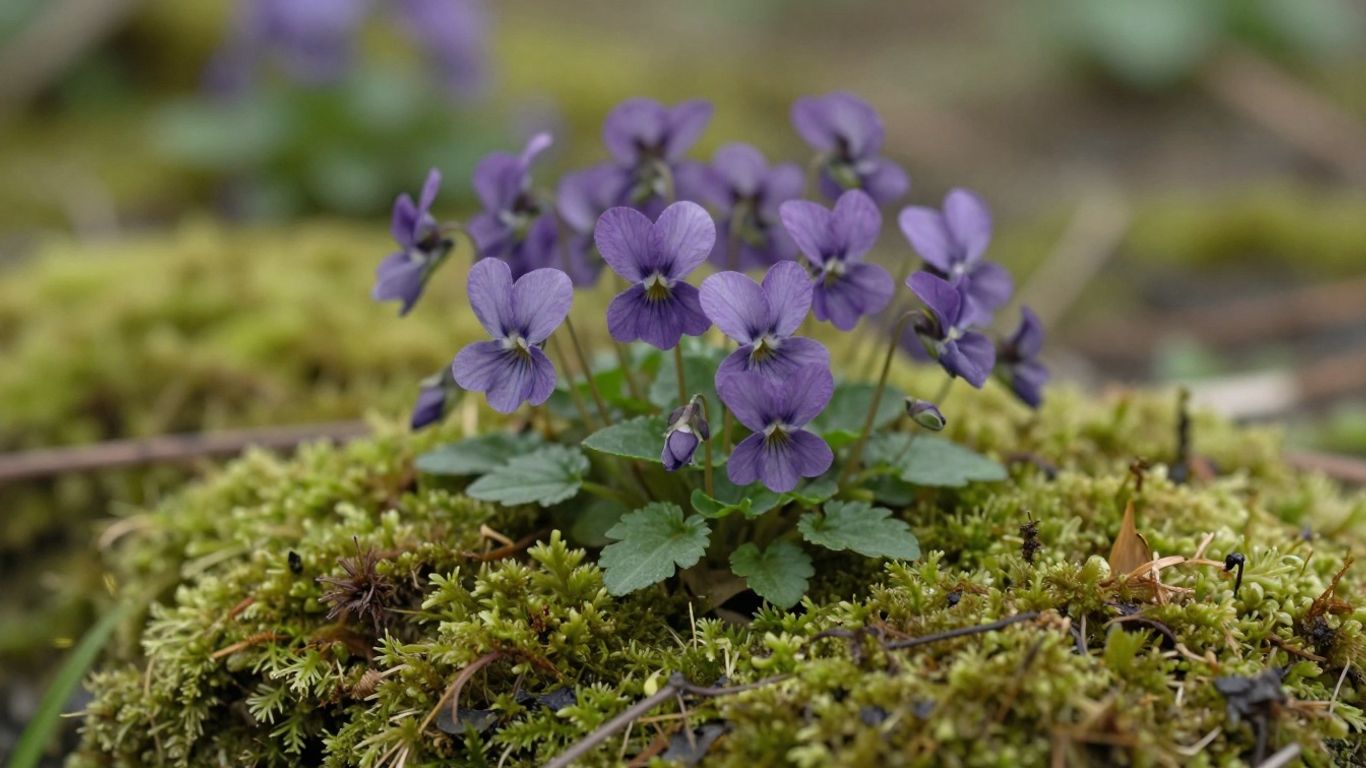
February brings a shift toward softer textures, as the violet takes center stage to symbolize humility and faithfulness during this season. While many look toward roses, the violet offers a quieter, more intimate gesture for birthdays. These small flowers carry a sense of timeless grace that is often missed in larger, more showy displays.
To appreciate the diversity of these blooms compared to others, consider how they stack up against classic varieties commonly found in arrangements. The following table illustrates common characteristics for these early-season options.
| Flower | Primary Color | Typical Meaning |
|---|---|---|
| Violet | Purple | Faithfulness |
| Carnation | Mixed | Admiration |
| Daffodil | Yellow | Renewal |
This breakdown helps clarify why certain flowers remain staples for birthday gifts throughout the year. Choosing the right bloom requires an understanding of both color and symbolic weight, which helps when browsing birth month flowers for a loved one. The violet remains a classic selection for those seeking something slightly understated yet deeply meaningful.
3. March: Daffodils
March marks the arrival of spring, and nothing captures that transition quite like the bright, trumpet-shaped daffodil. These yellow harbingers of sunshine bloom exactly when the world begins to wake up from its winter slumber. They are synonymous with new beginnings and the optimism that comes with warmer days.
Many gardeners find that planting these bulbs in autumn ensures a vibrant display once the frost recedes. If you want to celebrate every occasion, adding a few stems of these to a table center-piece brings an immediate sense of warmth to the room. They are simple, elegant, and notoriously good at lifting one’s spirits.
It is fascinating how deeply cultural traditions have woven these flowers into our understanding of the changing seasons. The joy they bring is rarely matched by other early spring plants. By placing them in your home, you invite the spirit of the season to settle in, providing a bright and cheerful focal point in any living space.
4. April: Daisies
April is the month of the daisy, a flower so simple and pure that it has become a universal icon of innocence. These resilient little heads are often found dancing in fields, making them a perfect addition to casual spring bouquets. Their clean white petals and golden centers represent the youthful energy of the season.
There is a certain beauty in the uncomplicated structure of a daisy that makes them accessible for any birthday celebration. Whether gifted in a massive bundle or as a finishing touch to a larger arrangement, they never fail to put a smile on a recipient’s face. They feel like a fresh start, untethered from the formality that other blooms might carry.
We often look for ways to keep our floral gift choices grounded in tradition without being overly stuffy. Daisies allow you to do exactly that, bridging the gap between wild nature and curated garden style. Their presence in an April arrangement signals the true beginning of the blooming year when everything feels possible.
5. May: Lilies of the valley
May sees the dainty lily of the valley emerge, known for its small, bell-shaped white flowers and incredible fragrance. These are typically woodland plants that offer a sophisticated scent profile, making them a premium choice for late spring birthdays. Their rarity and delicate structure add a layer of exclusivity to any gift.
If you are planning to organize a gathering, it is useful to choose flowers that suit the specific month. Consider these factors when putting together your spring displays:
- Ensure the water level in the vase remains consistent.
- Trim the stems at a slight angle for better absorption.
- Place the bouquet away from direct, harsh sunlight.
- Choose a vessel that complements the delicate shape of the bells.
Following these simple care steps will keep your arrangements looking their best for as long as possible. The lily of the valley is truly the highlight of the month, providing a sensory experience that lingers in the memory of the recipient. It is a humble flower that commands attention through its scent alone.
6. June: Roses
June is universally recognized as the prime month for roses, which have been cultivated for centuries to reach their peak in early summer. These flowers are the pinnacle of romantic expression and come in an almost endless variety of hues and scents. From deep crimson to soft blush, there is a rose for every personality.
Giving a rose is rarely just about the flower itself; it is about the emotion behind the gesture. Their velvet petals and complex layers continue to captivate those who prize classic elegance in their floral choices. In June, the bounty of these blooms in gardens creates a landscape that feels draped in beauty.
When you select these for a birthday, you are tapping into a long history of adoration and celebration. Many florists emphasize that the rose remains the most requested stem, even as trends come and go. It consistently anchors the traditional floral calendar with undeniable grace and status.
7. July: Larkspurs
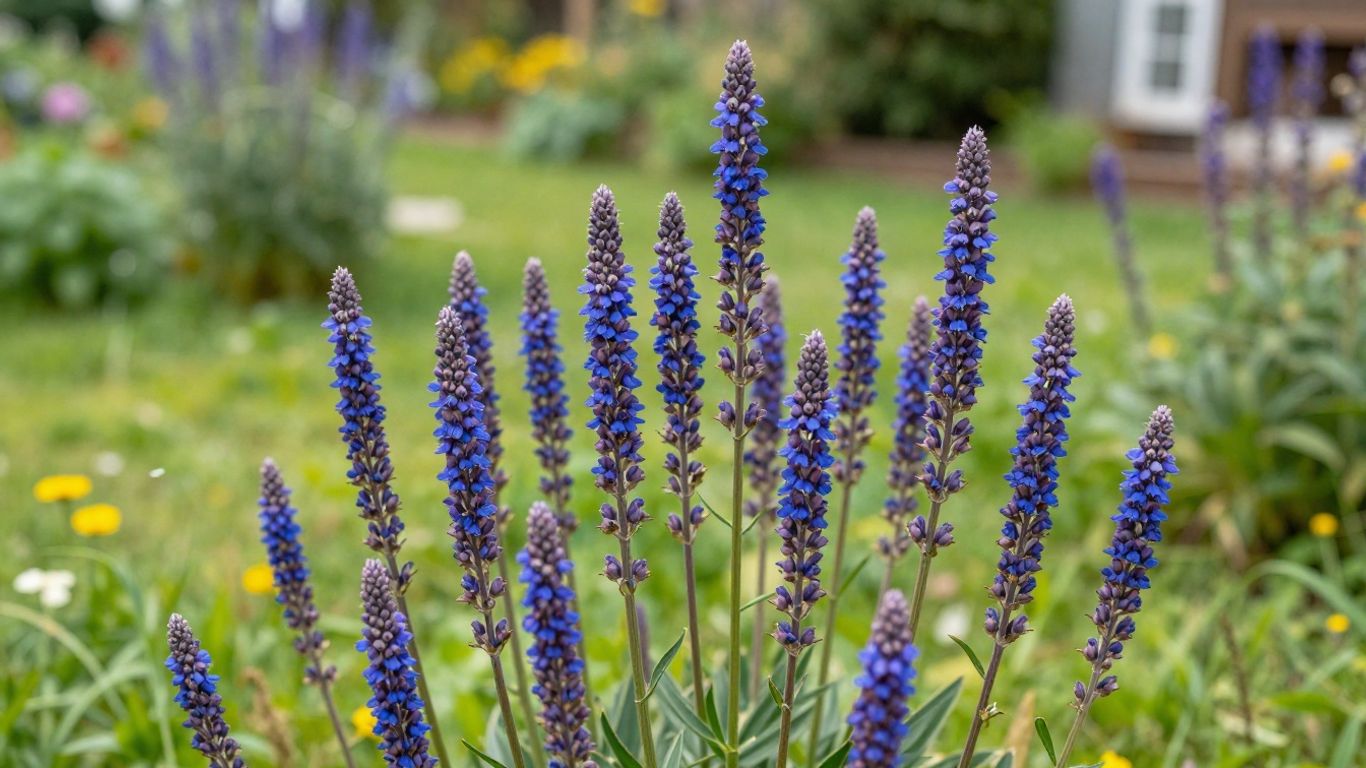
July belongs to the larkspur, a tall, impressive flower that adds vertical drama to any garden or bouquet. These beauties are known for their spiky appearance and come in shades of blue, purple, and white. They bring a structural, sophisticated look that offsets the rounder, fuller flowers of the earlier months.
Finding the right rhythm for a summer birthday gift means choosing flowers that reach toward the sky just as the season peaks. The larkspur thrives in the heat, proving its strength just as the days reach their longest. It is a bold choice for anyone who appreciates a bit of height and distinction in a classic arrangement.
Because they grow so tall, you need a sturdy vase that can support their weight without tipping. By selecting these for a July birthday, you reflect the intensity and vibrant energy of mid-summer. Proper support ensures they remain a highlight on your kitchen counter or bedside table for the entire month.
8. August: Gladioli
August brings the gladiolus, a flower that reflects the strength and stamina of the final stretch of summer. Known for their sword-shaped leaves, these flowers embody integrity and sincerity in a way that is rarely matched by softer blooms. They are tall, regal, and demand the viewer’s attention wherever they are displayed.
They have a unique ability to bloom from the bottom up, meaning they stay looking fresh for several weeks as the buds open progressively. This makes them a practical gift for those who want their flowers to last through the heat of late August. Their presence feels substantial and well-rooted in the traditions of late-summer gardening.
Choosing a gladiolus as a gift communicates a deep respect and a belief in the recipient’s inner fortitude. As summer begins to drift into autumn, these flowers maintain a sense of purpose and pride. They are a fitting tribute to the energy of the month and the people whose birthdays fall during this time.
9. September: Asters
September acts as a bridge between the heat of summer and the cooling air of autumn, making the aster the ideal flower. These star-shaped blooms offer a burst of color just as the foliage begins to turn, brightening up the landscape with shades of deep violet and bright white. They are the final flourish of the gardening season.
There is a certain melancholic beauty to them, reflecting the changing light and the transition into shorter days. They are known for attracting pollinators, providing a final feast for bees and butterflies before winter arrives. Including them in a bouquet feels like capturing the very last bit of summer warmth.
Those who receive asters often connect with their patient, sturdy nature. They do not demand as much attention as a rose, yet they provide a consistent, reliable beauty that defines the month. This balance of quiet elegance and late-season utility makes them a favorite among those who love to garden.
10. October: Marigolds
October delivers the warm, fiery colors of the marigold, mirroring the changing leaves of the trees. These blooms are synonymous with the harvest season, bringing a sense of comfort and homey charm into any environment. Their gold and orange tones are perfectly suited for the cooling temperatures of autumn.
They have been used for generations to add color to garden borders and vegetable patches, proving their durability is as impressive as their aesthetic value. It is easy to see why they are the chosen flower for a month often associated with homecomings and cozy evenings. A bouquet of marigolds is a simple, effective way to celebrate someone special.
As you look through birth month flowers records, you will find these listed as the quintessential bloom for the cooling transition of October. They symbolize a strong, protective energy that fits the month perfectly. Giving them is a gesture of warmth and appreciation for the grounded people born during this time.
11. November: Chrysanthemums
November belongs to the chrysanthemum, a flower that arrives in a spectacular variety of shapes and styles. From pom-poms to spiky quills, they offer a depth of texture that few other flowers can match. Given how much they thrive in the crisp November air, they are the undisputed kings of late-autumn bouquets.
Their resilience is legendary; they hold up against early frosts with surprising ease, reflecting the persistent nature of those born in this month. Because they come in such a wide palette, you can tailor your gift to match the specific personality of the birthday person. They are functional, beautiful, and deeply connected to the season of harvest and reflection.
Adding these to a room provides a sense of finality to the gardening year, a closing note that is both loud and soft. They represent patience and wisdom, qualities that mature in the garden just as they do in people as the year winds down. It is a fitting end to the natural bloom cycle.
12. December: Poinsettias
December is dominated by the festive poinsettia, which is technically a plant with vivid bracts rather than flowers. These iconic red and green displays define the holiday season, turning even the most austere rooms into places of celebration. They are the standard for indoor winter decor, bringing a sense of warmth to the dark, short days of the year.
While often used for interior holiday styling, they also make a thoughtful birthday gift for anyone born in the final month. They represent a sense of joy and communal spirit that is central to the season. It is rare to see the end of the year without at least one of these nestled in a window or near a hearth.
By ensuring you care for them properly—keeping them out of direct drafts and giving them modest moisture—they can last well into the new year. They reflect the spirit of the month by offering a bold, bright contrast to the winter landscape outside. It is a traditional choice that feels both nostalgic and essential for ending the year on a high note.
Conclusion
Celebrating birthdays with flowers tied to each month adds a timeless and personal dimension to our gift-giving habits. By learning about the history, seasonal nature, and specific symbolism of these blooms, we connect more deeply with the changing rhythm of the year. Whether you choose the resilient carnation for January or the festive poinsettia for December, you are continuing a tradition that honors both the season of birth and the unique spirit of the person you are celebrating.
Frequently Asked Questions
Are there specific meanings associated with flower colors?
Each color typically carries its own symbolic weight, such as red for passion, white for purity, and yellow for joy, which can change the message of a bouquet.
Can I find birth flowers for every month of the year?
Yes, every month of the calendar year is associated with at least one or two specific flowers that represent the season and its inherent characteristics.
Do birth flowers change depending on the region?
While symbolic meanings remain fairly consistent globally, the actual availability of these flowers depends heavily on local climates and garden seasons.
Are there flowers that are better for indoor or outdoor settings?
Some flowers like poinsettias are better suited for indoor environments, while others like daffodils are primarily outdoor bulbs that bloom when spring arrives.
Is it possible to gift an arrangement that uses multiple birth flowers?
Mixing birth flowers is a lovely way to celebrate a friendship or a mixed occasion, though it is usually best to focus on the recipient’s own birth month bloom first.
How long should I expect store-bought flowers to last?
Longevity varies by species, but with proper care—such as trimming stems and changing water frequently—many cut flowers will remain fresh for one to two weeks.
Where can I learn more about the history of specific flowers?
Botany guides and local florist resources often provide historical context and cultural myths surrounding why certain flowers were selected for different months.