Key Takeaways
Learning the right techniques is essential for keeping your floral arrangements vibrant and healthy for as long as possible. By following a consistent care routine, you can maximize the beauty of every bouquet.
- Sterilize your vase to eliminate harmful bacterial growth early on.
- Use a sharp blade for a 45-degree angled stem cut to optimize intake.
- Place arrangements far from ripening fruit to avoid ethylene gas exposure.
- Change water every few days to keep the environment clean and fresh.
- Regularly re-trim stems to ensure your flowers can continue absorbing water.
Preparing your vase and stems
Starting with a clean environment is the foundation for a long-lasting floral display. If you place fresh stems into a dirty vase, you compromise the health of your flowers immediately. Investing a few moments in pre-arrangement preparation saves you from dealing with drooping stems later on.
Sterilizing the vase to prevent bacterial growth
Bacterial buildup is the primary enemy of any fresh arrangement. Thoroughly washing your vase with mild soap or a diluted bleach solution ensures that no lingering microorganisms can attack the stems once they are placed inside the water. Taking this simple step helps maintain the structural integrity of the blooms.
Measuring and cutting stems at a 45-degree angle
Using a clean pair of shears, make a precise diagonal cut about one to two inches from the bottom of each stem. You should aim to cut at a 45-degree angle because this significantly increases the surface area for water absorption. When the stem sits flush against the bottom, it struggles to take up water, but a diagonal slice keeps the channels open for success.
Removing foliage that falls below the water line
Any leaves or petals that end up submerged will quickly decay and foul the water. By carefully pruning your stems to remove greenery below the water line, you prevent premature rot from spreading upward. As noted by Proflowers Blog, this is a critical first step to keep your display looking polished and resilient.
Optimizing the water quality
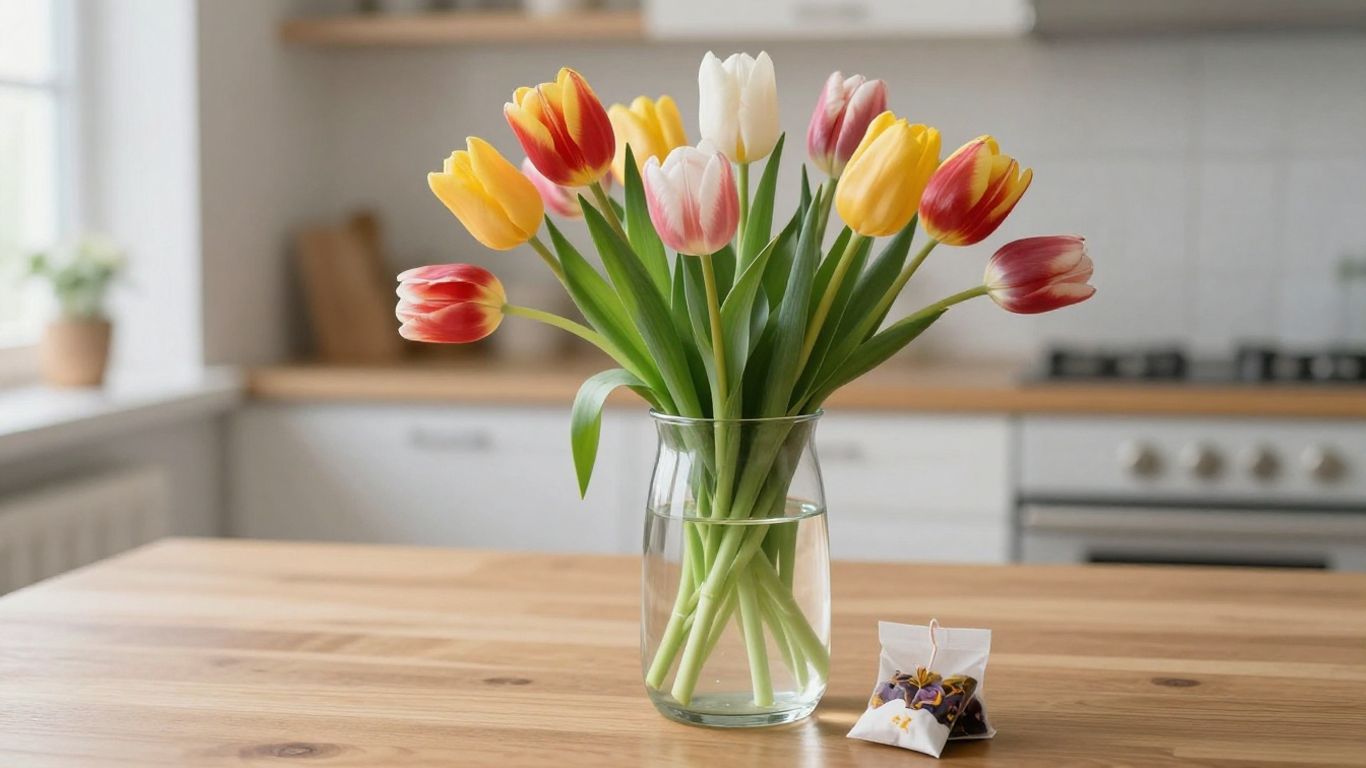
Water is the lifeblood of your floral arrangement, but the quality of that water makes a noticeable difference. Many home enthusiasts ignore the composition of their water, which can lead to stems clogging or decaying prematurely. Providing fresh, high-quality hydration allows your flowers to stay turgid and vibrant for several days longer than expected.
Utilizing filtered water to reduce chemical buildup
While tap water is often acceptable, it can contain minerals or additives that inhibit optimal hydration for sensitive varieties. Using filtered water provides a cleaner environment, which minimizes salt and chemical interference. According to insights from French Florist, opting for quality water is a simple investment that ensures flowers retain their freshness.
Mixing and measuring flower food packets correctly
Properly formulated flower food contains necessary sugars, acidifiers, and antimicrobial agents that benefit cut stems. It is vital to mix these packets exactly according to the manufacturer’s instructions, as over-concentrating the solution can actually harm the stems. You can use the following guide to help organize your floral care routine:
| Care Task | Frequency | Expected Result |
|---|---|---|
| Water refresh | Daily | Stops bacteria growth |
| Stem trim | Every 3 days | Improves water uptake |
| Food added | Initial placement | Provides key nutrients |
Maintaining the balance of these nutrients is fundamental to how to make fresh flowers last longer effectively.
Monitoring and replenishing water levels daily
Depending on the heat and the specific variety of flower involved, your arrangement might drink through the water faster than you think. Checking the liquid level every single day is a small, quiet habit that pays off. Simply topping off the vase prevents the ends of the stems from drying out and closing up permanently.
Finding the perfect location
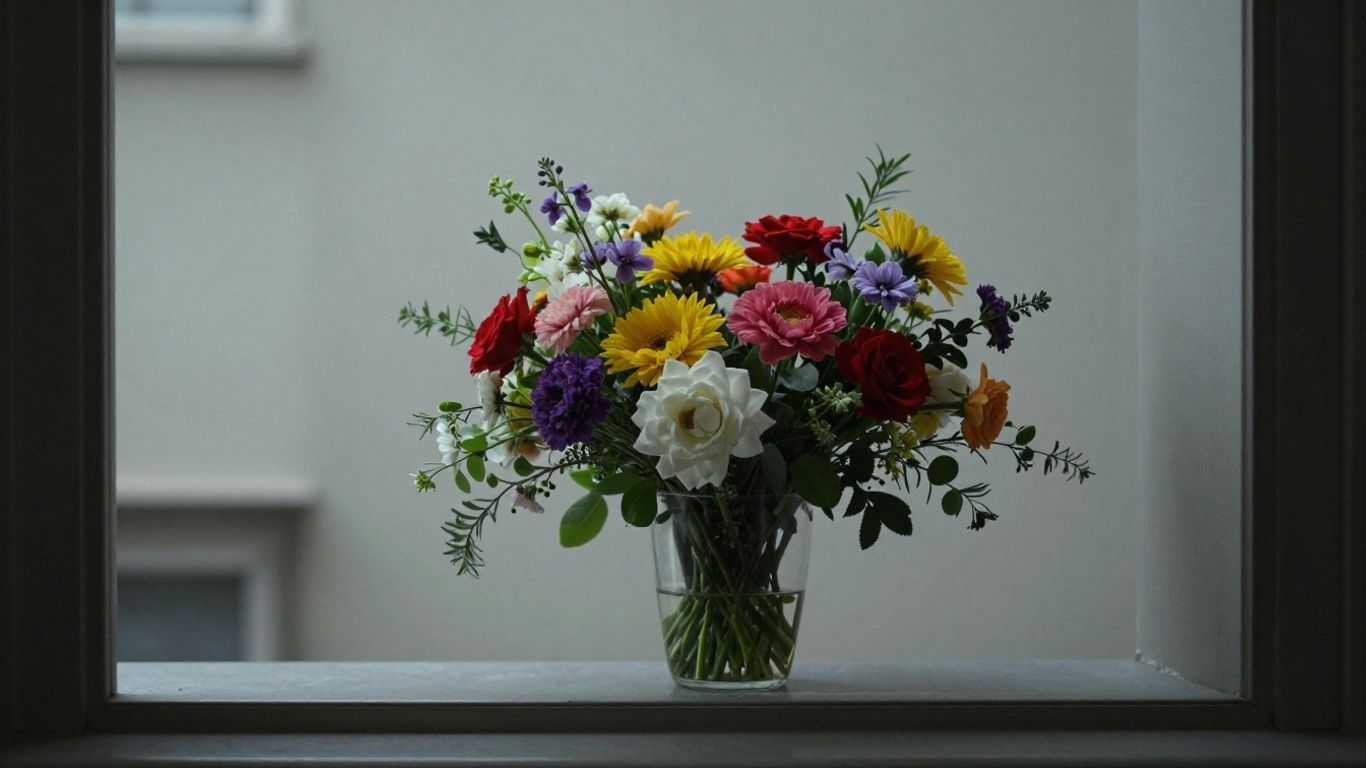
Environmental stressors like heat and light are often underestimated by casual decorators. Where you place your vase matters almost as much as the water you provide, as ambient conditions can accelerate the respiration process. Taking steps to control the micro-climate around your flowers will slow down the wilting process successfully.
Keeping bouquets away from direct sunlight and drafts
Strong sunshine can cause the flowers to lose water via their petals much faster than the stems can replenish it. You should also steer clear of placement near heating vents or cold windowsills that experience drastic drafts. By finding a stable, indirectly lit spot, you keep your blooms consistent and cool.
Maintaining distance from ripening fruit and vegetables
Many common kitchen fruits, such as apples and bananas, release ethylene gas, a natural ripening agent that causes flowers to age prematurely. Keeping your bouquet on a separate counter or in a different room prevents this gas from shortening the lifespan of your petals. This simple spatial separation is a trick that even professionals rely on for wedding and event prep.
Selecting cool room temperatures to slow wilting
Lower temperatures act as a natural preservative for cut stems by slowing the plant’s metabolic rate. If your home happens to be particularly warm, keeping your flowers in a drafty hallway or even a cool, shaded corner can make a visible difference. Much like the techniques discussed by RHS Advice, adjusting your environment allows you to mimic the care given in refrigerated florist coolers.
Maintaining the arrangement over time
Consistent maintenance is what separates a bouquet that lasts three days from one that stays fresh for ten. It requires a bit of daily attention, but the payoff is a beautiful display that serves its purpose for much longer. Once you have mastered these steps, it becomes second nature to keep your blooms happy.
Re-trimming stems every three days for better absorption
As the vascular system of the cut flower interacts with the water, the ends can naturally seal or become obstructed with debris. Simply taking a half-inch off the base with sharpened clippers keeps the intake channels clear and ready to drink. Here is a quick list of items you might want to keep nearby for this maintenance phase:
- A sharp pair of floral shears or bypass pruners.
- A dedicated secondary vase for transitioning flowers during water swaps.
- A soft microfiber cloth for dusting foliage in the arrangement.
- A small funnel to assist with replenishing water without spilling.
By keeping these items together in a drawer, you can perform your three-day refresh without any fuss or mess.
Replacing stale water to prevent microbial contamination
Even with flower food, water can eventually become dark or cloudy due to naturally occurring bacterial activity. Swapping out the entire basin of liquid clears away these pollutants and refreshes the pH balance of the environment. Clean, clear water ensures that your stems remain healthy without battling unnecessary contaminants.
Pulling out fading blooms to preserve the remaining flowers
When a single stem in your arrangement starts to die, it can release gasses or begin to rot, potentially bringing down the other, healthier flowers nearby. You should identify and pull out any dying blooms the moment they show signs of intense wilting or browning. This keeps the collective energy of the bouquet focused on the vibrant, healthy petals that remain.
Natural hacks and common myths
Many DIY enthusiasts have been curious about whether simple household items can truly solve the problem of wilting flowers. While folklore abounds with lists of pantry staples, scientific testing often paints a different picture regarding their actual efficacy. Understanding the reality behind these hacks helps you invest your time in methods that work.
Weighing the pros and cons of sugar and acidic additives
While sugar can provide a short-term energy boost for cut flowers, it is also a magnet for bacterial growth if not carefully balanced with preservatives. Acidic additives, like lime juice or vinegar, aim to lower the water’s pH, which can help water travel up the stem more easily. However, these are often imprecise and can upset the delicate balance required by specific flower species.
Clarifying why pennies and aspirin are often ineffective
Old wives’ tales suggest that dropping a copper penny or an aspirin tablet into your vase can extend the life of your flowers. In practice, modern coins lack the necessary copper leaching levels to truly impact bacteria, and aspirin is not the miracle cure many hope it is. Most of the time, these items just sit at the bottom of the vase without contributing to the longevity of the stems.
Comparing commercial preservatives with DIY solutions
Commercial flower food packets are specifically calibrated to provide exactly what the plant needs for respiration. While homemade mixtures might seem cheaper, the precision in commercial formulas is hard to replicate at home. It is generally safer and more effective to stick with tested preservative packets rather than experimenting with household chemicals that haven’t been calibrated for your specific blooms.
Effective flower care is not about finding one magical solution, but rather about maintaining a clean, steady environment for the duration of your arrangement’s life.
Conclusion
Mastering how to make fresh flowers last longer is a rewarding skill that allows you to enjoy your floral gifts for significantly more time. By focusing on cleanliness, water quality, and consistent maintenance, you can ensure that your home stays filled with vibrant, healthy petals rather than wilting ones. Remember that even the smallest efforts, like daily water checks and regular stem trims, accumulate into a much happier and longer-lasting bouquet for you to admire.
Frequently Asked Questions
Does misting flowers help them last longer?
Generally, misting is not advised as it can encourage fungal growth on petals, particularly in humid environments, though it may provide temporary relief in very dry rooms.
How much water should I use in my vase?
For most flowers, you should ensure the stems are submerged by at least three to four inches, but be careful not to submerge the foliage.
Should I store my flowers in the fridge overnight?
Keeping flowers in a cool, dark place like a refrigerator overnight can definitely slow the metabolic process and extend their life for several days.
Can I use warm water for my flowers?
Most professionals recommend using room-temperature water, as extremely hot or cold water can shock the plant and prevent proper hydration.
Why do my roses wilt despite fresh water?
Roses often possess air pockets in their stems, so try re-cutting them under running water to ensure you clear any blockages causing the wilting.
Does adding sugar really work for everyone?
While sugar provides nutrients, it is better to avoid it unless you are also adding a preservative because the sugar promotes heavy bacterial contamination.
How do I know when the water has gone bad?
If the water becomes cloudy, develops an odor, or leaves a slimy residue on the inside of the glass, it is time for a total replacement.