Key Takeaways
Proper maintenance is the secret to extending the life of your fresh flower arrangements significantly. Follow these core practices to ensure your bouquets remain vibrant and healthy as long as possible.
- Always re-trim stems at a sharp angle before placing them in water.
- Use provided flower food and refresh water every two days.
- Keep arrangements away from direct sunlight, heat, and ripening fruit.
- Remove any foliage that would sit below the water line.
- Regularly monitor for wilting blooms and discard them to prevent rot.
Essential steps for prepping fresh flowers
Preparing your flowers correctly in the first few minutes after receiving them makes a monumental impact on their longevity. Without these preliminary actions, stems may quickly clog and lose the ability to drink, leading to premature drooping and decay.
Trimming stems at a 45-degree angle
Cutting the bottom of your stems at a clean, sharp angle allows for the maximum surface area for water absorption. When you cut stems at this angle, you prevent the base from sitting flat on the bottom of the vessel, which serves as a vital simple but effective trick for consistent hydration. Always use sharp shears or a clean knife to avoid crushing the delicate vascular tissues.
Removing foliage below the waterline
It is essential to clear away any leaves or greenery that might dip below the surface of the vase. Leaves submerged in water will quickly decay, acting as a breeding ground for bacteria that can ruin the entire bouquet. While basic maintenance, you might appreciate the expert flower care tips provided by floral professionals to get this right.
Selecting the right vase size and cleanliness
Choosing an appropriately sized container ensures proper airflow and stem posture. Whether you are prepping for a simple arrangement or a Flower of the Month Club delivery, cleanliness is paramount. Dirty vases harbor invisible contaminants that shorten bloom life.
| Vessel Type | Capacity Range | Recommended Use |
|---|---|---|
| Tall Cylinder | 2-3 Liters | Long-stem lilies and roses |
| Bud Vase | 0.2-0.5 Liters | Single stems or delicate sprigs |
| Wide Mason Jar | 1-1.5 Liters | Sunflowers or mixed wild bouquets |
Initial hydration for thirsty stems
After trimming, place your flowers into a lukewarm water bath immediately. Thorough initial hydration conditions the blooms, especially if they have been out of water during transport. This ensures the plant tissue is fully turgid and ready to display.
Maximizing flower longevity with ideal placement
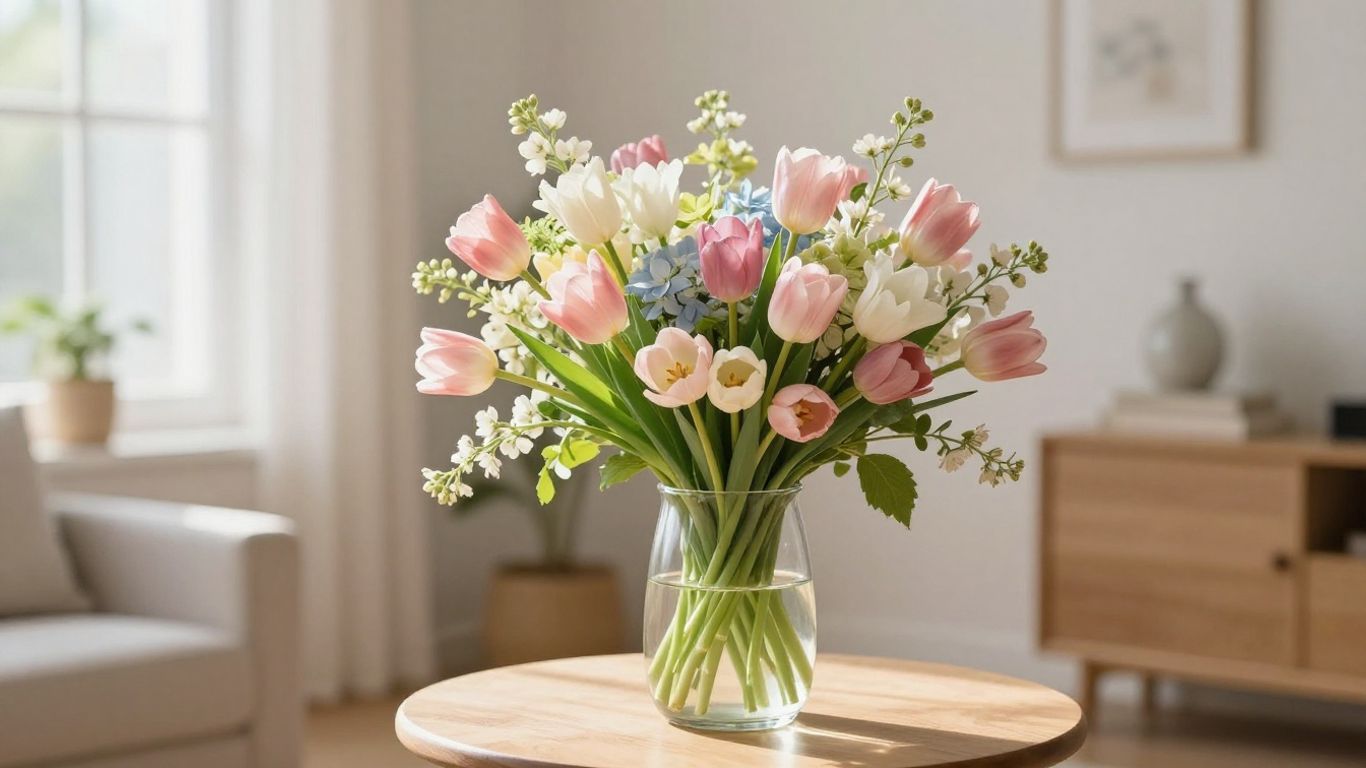
Where you decide to stage your floral display is just as crucial as the care you provide directly to the stems. Environmental stressors often act as silent killers, sapping life from even the healthiest stems by accelerating the natural aging process of the plant’s leaves.
Avoiding direct sunlight and heat sources
Flowers are sensitive to temperature spikes which trigger rapid respiration and early fading. Positioning your vase away from sunny windows or hot appliances creates the stable environment they need to thrive. When applying expert flower care tips from the Floral Design Institute, you quickly observe that heat is the primary enemy of post-harvest physiology.
Keeping arrangements away from ripening fruit
Fruit produces ethylene gas as it ripens, an invisible hormone that acts as a signal for your flowers to age prematurely. If you place a bowl of bananas or apples too close to your blooms, you will notice the petals browning much faster than expected. Keeping your dining table free of fruit near your centerpiece is a wise protective measure.
Maintaining a consistent ambient room temperature
Floral arrangements flourish in cool, stable settings rather than oscillating degrees of heat. Avoid placing your vase near vents or climate control units that blow dry air over the petals. Consistency serves as the primary pillar for keeping your floral health stable throughout the week.
Protecting blooms from drafty areas
Strong gusts from open windows or hallways can cause moisture loss on the petal edges. This dehydration manifests as crispy brown margins that ruin the aesthetic appeal of a fresh bouquet. Finding a sheltered spot usually doubles the visual enjoyment of the arrangement.
Understanding the role of flower food and additives
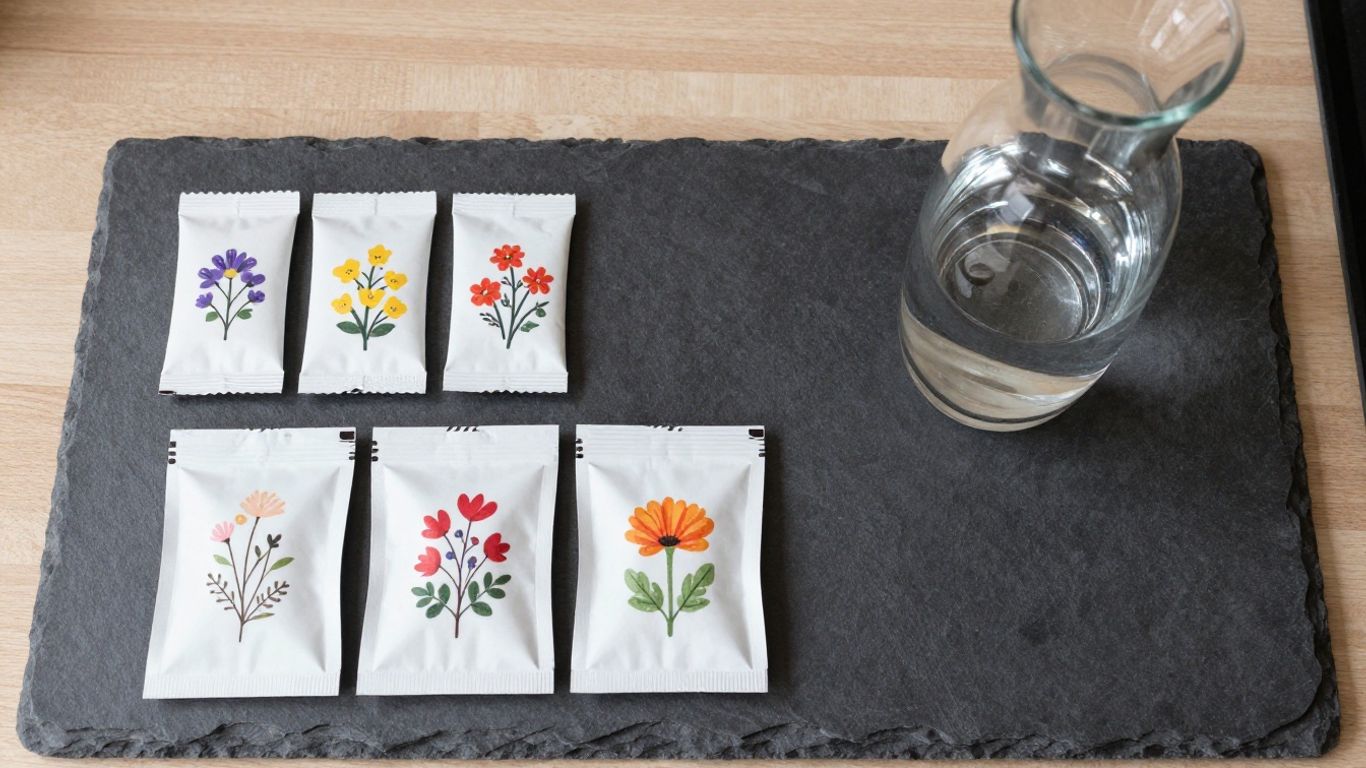
Providing nutrients to your flowers is not merely an optional step; it is a critical scientific intervention. These additives ensure that the flowers have the energy to continue opening and remain resilient even after being severed from their roots.
The chemistry behind commercial flower packets
Commercial packets usually contain a trifecta of sugar for energy, acid to balance the pH, and bleach components to inhibit bacterial growth. Utilizing this specific mix is standard for those relying on the 1-800-Flowers in Winter Park care guidance, as it mimics the ideal conditions for sustained health.
Comparing home remedies to professional formulas
Many DIY enthusiasts attempt to use sugar or soda at home, but these lack the anti-microbial properties essential for water clarity. Home remedies often lead to sludge buildup that kills flowers faster. Professional formulas are engineered to stop this decay effectively.
Proper dosage ratios for different vase sizes
Following the ratio on the packet is essential because too much additive can be just as toxic as having none at all. Use a measuring cup if your vase size is irregular to reach the standard concentration. Proper ratios are as follows:
- Measure the total volume of your vase in liters.
- Calculate the required grams of powder based on the packaging directions.
- Stir the mixture until the powder is completely dissolved before adding any stems.
- Ensure the solution is lukewarm to facilitate the chemical transition.
Timing the addition of nutrients to your water
Always add your flower food to the water before you place the stems into the container. This prevents the nutrients from unevenly clumping near the bottom and ensures every stem benefits from the solution immediately. Proper mixing guarantees uniform uptake throughout the vascular system of the flowers.
Cleaning and maintenance routines for cut bouquets
Maintenance is not a "set it and forget it" task, as your arrangement needs periodic attention to survive. Routine deep cleaning of the water and stem trimming prevents biological stagnation and keeps the bouquet looking fresh well past its standard life expectancy.
Monitoring water clarity to prevent bacteria growth
If the water in your vase turns murky or takes on a yellow hue, this is a clear sign that bacteria have taken over. Bacteria block the conductive vessels in the stems, preventing water reaching the flower head. Change the water immediately if you notice even a slight lack of clarity.
Re-trimming stems to improve vascular circulation
Every few days, pull the flowers out and snip another half-inch off the ends. This removes any tissues that might have softened or become sealed by bacteria, allowing for a fresh start in the water column. It is a simple step that restores the plant’s ability to draw moisture.
Removing wilting blooms to protect healthy flowers
As individual stems begin to brown or drop petals, remove them from the group. Wilting flowers release extra ethylene gas and harbor decay that can easily migrate to the healthier stems. Selective pruning helps keep the rest of the bouquet in an attractive, healthy state.
Using proper tools to prevent stem crushing
It is vital to use sharp, sanitized bypass pruners or a clean floral knife. Dull scissors create jagged tears that make it impossible for the stem to drink efficiently. Keeping your tools clean prevents cross-contamination between batches of flowers.
Choosing the right flowers for durability
For those seeking long-term beauty, selecting the right variety is the first step in your journey. Some botanical specimens are genetically predisposed to outlive others, providing a much higher return on your investment when preparing your home displays.
Identifying long-lasting hardy varieties
Certain blooms such as carnations, chrysanthemums, and alstroemeria have high structural integrity and lower water requirements. These are the workhorses of the floral world and will look crisp long after more delicate blooms like poppies have faded. If you are learning the nuances of harvesting, the RHS Advice on cutting and gardening provides extensive detail.
Evaluating the state of bloom at time of purchase
Look for flowers that are still in the "tight bud" stage or have only just begun to show color. If a flower is already fully open when you purchase it, it has likely consumed much of its internal energy reserves and will have a shorter lifespan in your vase.
Considering seasonality for peak freshness
Buying flowers in their natural season ensures they are fresh, healthy, and haven’t spent excessive time in cold storage. Out-of-season blooms are often more delicate and prone to shipping damage. Seasonal picking inherently offers better value and superior visual performance.
Recognizing signs of decay before you buy
Check for browning edges on the petals and limp, discolored leaves at the base. These are indicators that the flowers are already struggling. Always verify the water in store-bought containers is clear; if it looks slimy, skip that bunch entirely.
Conclusion
Mastering these essential care techniques ensures that your floral arrangements remain a source of joy and natural beauty in your living space for as long as possible. By staying consistent with water changes, stem trimming, and ideal environmental placement, you provide the best possible conditions for your bouquets to thrive. Taking these small, mindful steps will help you maximize your enjoyment of every floral gift or home arrangement you bring indoors.
Frequently Asked Questions
Should I add pennies or copper into my vase water to keep flowers fresh?
This is a common myth that is not supported by botanical science. While metal might impact water chemistry slightly, it does not provide the anti-microbial or nutritional support required to extend the vase life of your flowers effectively.
How often should I change the water in my vase?
Changing the water every two days is the gold standard for most cut bouquets. Fresh water replenishes oxygen and keeps the environment free of the bacterial buildup that causes premature wilting.
Is it better to use ice water for my flower arrangement?
While some professional arrangements are kept cool, ice water can actually send certain tropical flowers into shock. Use room temperature or slightly lukewarm water for most standard bouquets to ensure optimal absorption.
Can I trim my stems while the flowers are dry?
It is better to trim your stems under running water or in a bowl of water if possible to prevent air bubbles, known as embolisms, from entering the stems. If you must dry trim, ensure your knife is incredibly sharp to minimize the time the stem is exposed to air.
Why do my roses droop their heads immediately?
Roses often droop because of an air blockage in the stem or because they were cut while not fully hydrated. A fresh, deep cut under water and a few hours in a deep container of water can often revive a rose that seems to be failing.
Does misting the petals of my flowers help them live longer?
Misting can sometimes keep petals hydrated, but it can also encourage mold growth if the environment is too humid. It is generally more effective to focus on keeping the water in the vase clean and the stems properly trimmed.
Are there any flower types that should never be mixed with others?
Daffodils contain a sap that can be harmful to other flowers when mixed in the same vase. It is usually best to keep them separate in their own display unless you have thoroughly processed them first.