Key Takeaways
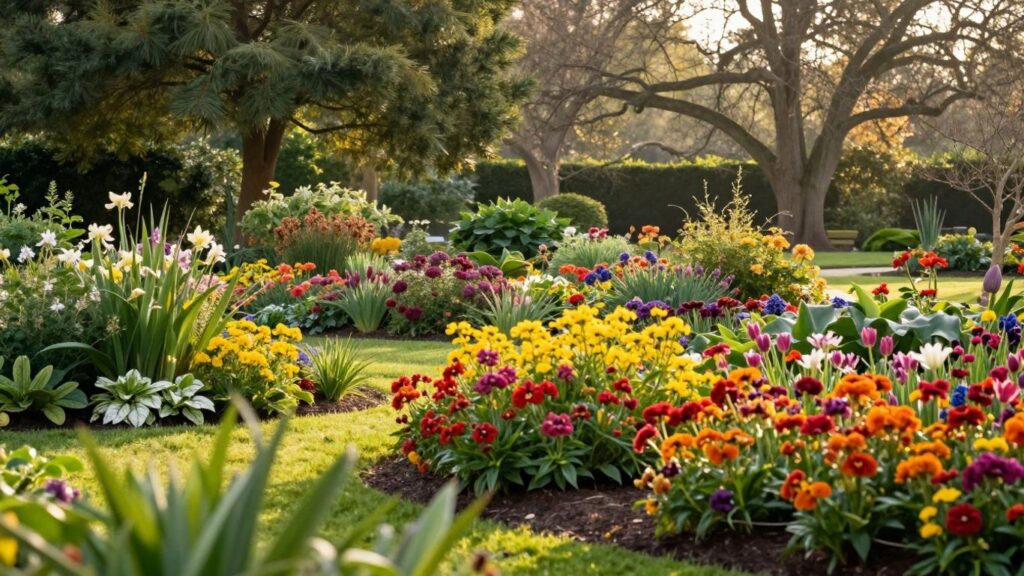
Understanding the regional climate is the first step in successful gardening. These core points will help you manage your local plot throughout the year:
- Regional climate influences soil temperature and optimal planting windows.
- Native species generally require less maintenance than imported alternatives.
- Spring and summer demand specific watering techniques for best results.
- Fall and winter planting focus on cold-hardy resilience.
- Local florists offer fresh, seasonal bunches that support the community.
Understanding seasonal blooming cycles in Altona
Climate profile for Altona gardens
Gardening in this region requires a careful observation of how local humidity levels and daily temperature shifts affect your beds. The area features a specific micro-environment where seasonal shifts can happen quite abruptly, leaving little room for error if you are unprepared for a frost or a sudden heat wave. By tracking the frost dates, you can protect your vibrant garden beds from damage and keep them looking their best well into the growing season.
Why native versus imported varieties matter
Selecting the right plant origins ensures that you aren’t fighting nature for the sake of aesthetics. Native species are already acclimated to local soil conditions and typical weather patterns, whereas imported varieties might require excessive supplemental care or soil amendments to survive. You might explore effective plans for designing a garden that balances these natural elements while keeping your outdoor space functional and visually cohesive.
Timing your planting for maximum longevity
Success in the garden is often defined by your ability to plan ahead and plant at the opportune moment. Planting too early can expose delicate roots to late frosts, while waiting too long might result in stunted growth as temperatures spike. Paying attention to the local calendar allows you to stage your efforts so that one group of colors fades just as the next begins its lifecycle, keeping the display fresh throughout the year.
Spring flower selections for Altona landscapes
Top bulb flowers for early spring color
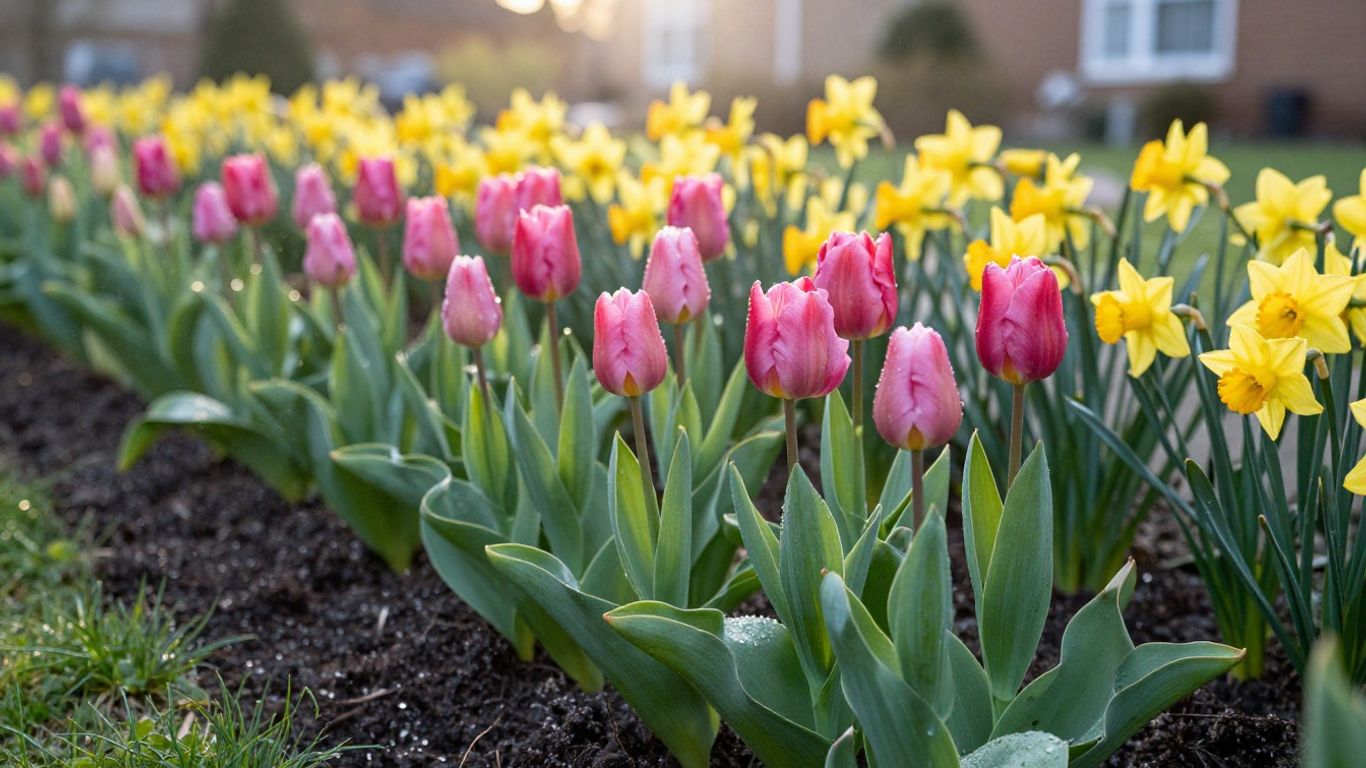
Early spring brings the first opportunities to add bright hues to the soil, with bulbs leading the way in sheer visual impact. Many gardeners prefer varieties that naturalize easily, meaning they return year after year with minimal effort or intervention. These early bloomers act as a herald for the coming months and help bridge the gap between winter dormancy and summer vigor.
Fragrant perennials suited for local soil
Perennials form the structural backbone of any landscape, providing reliability that annuals simply cannot match. When choosing these plants, focus on those with hardy root systems that can manage the local moisture levels without rotting. Once established, these varieties offer not only scent but also a recurring presence that rewards your initial planning every single season.
Tips for layering spring blossoms
Layering involves placing taller plants behind smaller ones to ensure every bloom is visible while maximizing your limited planting space. A well-constructed garden bed uses height as a tool to draw the eye, creating depth. To help you manage this effectively, follow these spacing guidelines for spring arrangements:
- Position large perennials at the back of the border to provide a steady backdrop.
- Interplant spring-blooming bulbs among ground cover to avoid muddy gaps.
- Use varying shapes and sizes of foliage to add interest even when buds are closed.
- Consider the light requirements of each layer to ensure even growth.
Summer blooms that thrive in local conditions
Heat-tolerant varieties for Altona summers
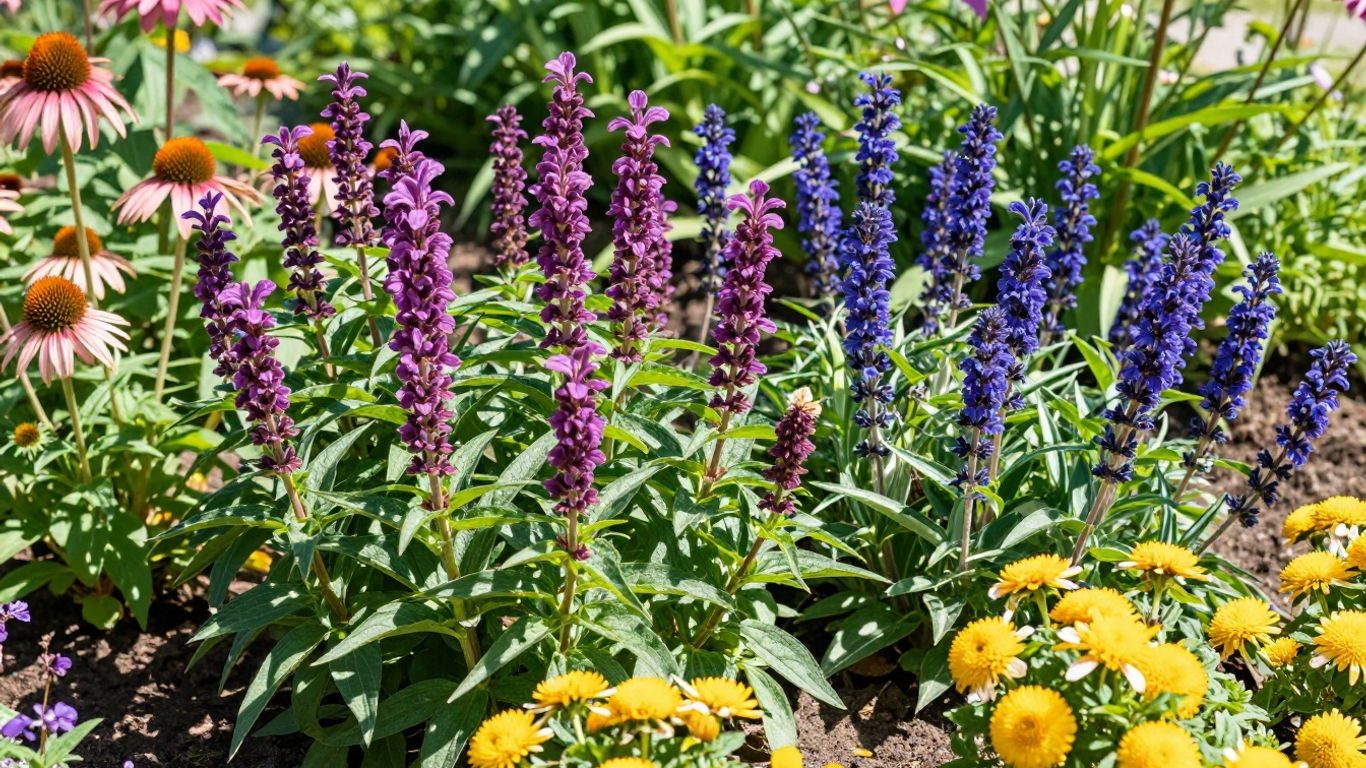
As temperatures climb, your landscape needs plants that can handle the intensity of the midsummer sun without flagging. Several species are specifically adapted to endure our hottest spells, maintaining their structure even when the mercury rises. You can browse Wildberry Flowers for examples of beautiful, seasonal stems that thrive during these months, demonstrating how heat-loving plants serve both the landscape and local floral design.
Managing watering needs during hot spells
Efficient hydration is the difference between a thriving garden and a collection of wilted stems during mid-summer heat. Watering early in the morning allows the moisture to soak into the root zone before it evaporates, providing the plants with a reservoir to pull from throughout the day. A simple automated routine or a consistent deep-soak method is often better than frequent light misting.
Choosing vibrant colors for curb appeal
Adding color to the front of your home creates an immediate impression on anyone passing by the property. The following table provides a quick guide to pairing vibrant summer tones with specific plant performance expectations:
| Classification | Growth Habit | Preferred Location | Bloom Durability |
|---|---|---|---|
| Deep Oranges | Upright and hardy | Full sun beds | High |
| Bright Pinks | Low-spreading | Edges and containers | Moderate |
| Soft Yellows | Clumping and tall | Mixed borders | High |
Selecting colors that contrast with your home’s exterior will significantly boost the curb appeal and tie your entire landscape to the architecture. Consistent care ensures these plants remain a highlight for neighbors and visitors alike.
Fall and winter floral arrangements
Late-season flowers for autumn interest
Autumn doesn’t have to mean the end of your botanical efforts, as several species prefer the cooling temperatures of late summer and fall. These plants often feature richer tones, such as deep reds, burnt oranges, and earthy purples, which mirror the changing canopy. Integrating these into your garden ensures you maintain color long after the primary spring and summer rush has subsided.
Cold-hardy species for the winter months
Winter often feels like a dormant time, yet with the right selection, you can still catch glimpses of life through the icy months. Hardy shrubs and evergreen accents can be paired with winter-blooming flowers to generate contrast against the stark background. Focus on plants that thrive in local, chilly winds to make your landscape feel deliberate and cared for even in mid-January.
Preserving cut flowers during chilly weather
When you bring your arrangements indoors, the change in temperature can shock fresh stems. If you enjoy creating displays for your home, consider using James Cress Florist as a reference point; their practice of ensuring thoughtful gifts arrive in perfect condition highlights how proper handling preserves texture and vibrancy. Cut your stems at an angle to maximize water intake and keep them away from direct heat sources.
Sourcing the best seasonal flowers in Altona
Identifying reliable local florists
Finding a trustworthy florist begins with checking their seasonal inventory and delivery logistics. A good local partner understands the regional blooming market and can explain which flowers are currently at their peak quality. Whether looking for beautiful flowers or a specific arrangement type, reliable sources prioritize freshness and transparency in their supply chain.
Advantages of choosing locally-grown stems
Local flowers have a shorter journey from the field to your vase, which drastically reduces the need for heavy chemical preservation. By choosing local stems, you support regional biodiversity while enjoying a longer lifespan for your arrangements. The subtle variations in locally-grown flora also bring a unique charm that mass-market imports often cannot replicate.
Ordering and delivery timing for fresh bouquets
Timing is essential when you want to ensure flowers arrive at the peak of their freshness for a celebration. For complex or large arrangements, providing the shop with at least 24 hours of notice allows them to source the best seasonal components specifically for your order. If you need same-day delivery options, always communicate your preferences early in the day so the team can prepare your gift properly.
Conclusion
By understanding the seasonal shifts of the Altona climate and choosing plants that resonate with the local environment, you can enjoy a cycle of constant beauty from spring to winter. Whether you are maintaining a home garden or selecting fresh bouquets, taking the time to match your choices to the time of year is the key to lasting success and vibrant results.
Frequently Asked Questions
When is the best time to start planting spring flowers in Altona?
Early spring is the ideal planting window, generally once the threat of heavy frost has passed and the ground begins to warm, typically in late March or early April.
How can I make my cut summer flowers last longer indoors?
Keep your stems in cool, clean water and trim the ends at a 45-degree angle every two days to ensure continuous hydration and prevent bacterial buildup.
What are the most resilient plants for local summer heat?
Look for native species and drought-tolerant cultivars like cone-flowers, black-eyed Susans, and specific hardy salvia varieties that thrive in direct, intense sunlight.
Should I prioritize native plants over imported exotic flowers?
Native plants are generally much easier to manage because they already possess natural resistance to local pests and require less supplemental water to stay healthy.
How often should I water my flower beds during the peak heat of summer?
It is better to provide deep, thorough waterings two or three times a week rather than light daily sprinkling, as this encourages roots to grow deeper into the nutrient-rich soil.
Can I still find flowers in Altona during the winter months?
Yes, certain cold-hardy species like winter pansies or hellebores can offer color during the colder months, especially if they are planted in sheltered locations protected from severe wind.
Does soil preparation matter before planting seasonal flowers?
Soil preparation is crucial, as incorporating organic compost before planting ensures good drainage and provides the necessary nutrients for the flowers to reach their full potential.