Key Takeaways
Choosing the right floral arrangements requires balancing your personal aesthetic with seasonal availability and your overall budget. These points highlight the core elements of the selection process for your big day.
- Research local florists early to ensure availability for your chosen date.
- Select seasonal flowers to optimize both quality and price.
- Coordinate colors with your venue architecture for a cohesive look.
- Prioritize high-impact arrangements like ceremony backdrops and centerpieces.
- Consider repurposing floral decor between ceremony and reception sites.
Understanding the local floral market
Finding the right partner for your floral needs means looking at who knows your venue best. When you explore 10 best florists, you start to notice how different designers interpret textures and color palettes in local environments. It helps to look at their portfolios before you initiate a conversation so you can gauge if their signature looks match your vision.
Identifying top-rated local florists in Altona
When searching for a floral team, consider reaching out to established shops like James Cress Florist for professional insight on regional availability. Finding an expert involves more than just a quick search; it entails checking their previous designs and confirming they service your specific wedding date. Often, the best results come from local creators who understand the logistics of the city.
Evaluating floral design styles and portfolios
Look for consistency in how they handle foliage and flower pairings. A strong portfolio gives you a sense of their range, whether they lean toward minimalist modern arrangements or wild, overgrown garden styles. Before you settle on a provider, verify they have experience with your specific vision.
When to book your florist to secure your date
Booking early is usually the best approach to guarantee your preferred designer remains available. Trying to secure a popular vendor on short notice often leads to disappointment, especially during the peak summer bloom months. We recommend reaching out several months in advance for the best experience.
Understanding delivery logistics for Altona wedding venues
Logistics can make or break your setup, so ensure your florist has a clear plan for loading and transportation. Working with The Flower Shop allows for professional consultation on how to best move delicate arrangements into your venue without damage. It is a good practice to confirm their access requirements and timing with the venue manager a few weeks out.
Selecting flowers based on season and budget
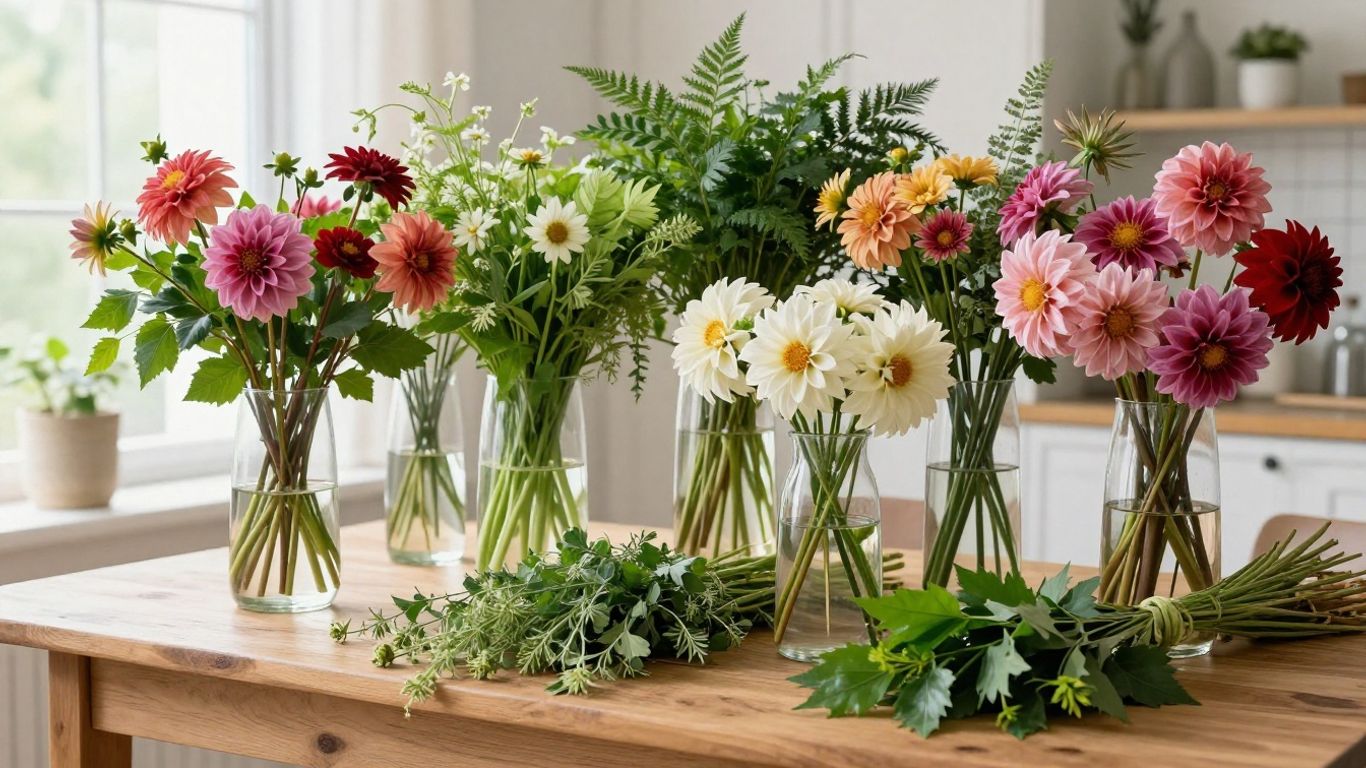
Selecting flowers based on local availability ensures you get the freshest stems without paying premiums for out-of-season imports. It helps to review a wedding flowers Altona guide, which outlines how to prioritize your budget to maximize impact. By matching your floral choices to the specific month, you often find unique blooms that offer visually stunning results at lower prices while supporting more sustainable local farming practices.
Best seasonal blooms available in the Altona region
Focusing on flowers that grow during your wedding month minimizes shipping fatigue and keeps costs predictable. Spring weddings benefit from tulips and ranunculus, while fall nuptials often showcase hearty dahlias and dried textures. These natural choices often hold up better during outdoor ceremonies.
Budget-friendly alternatives to premium flower varieties
Many high-end looks are achievable using clever, less expensive substitutes. You can achieve a full, lush aesthetic by layering hypericum berries or stock instead of more expensive specialty roses. Creating a table helps visualize how you can adjust your spend while maintaining a high visual standard:
| Arrangement Type | Budget Bloom Option | Premium Alternative |
|---|---|---|
| Bridal Bouquet | Carnations | Peonies |
| Table Centerpiece | Baby’s Breath | Orchids |
| Altar Decor | Daisies | Lilies |
Prioritizing floral arrangements for maximum visual impact
Directing your budget toward high-traffic locations creates the biggest impression for your guests. If your funds are limited, place your key arrangements where they will be seen most, such as the altar or guest tables. Other areas often work well with subtle, simple greenery rather than heavy blooms.
How to manage hidden costs like installation fees
Always ask upfront about labor and installation charges so there are no surprises on your final invoice. These costs cover the time and precision required to hang backdrops or structure large ground installations. A transparent contract avoids misunderstandings later on throughout your planning process.
Coordinating theme and color schemes
Theme coordination often starts with identifying the underlying architecture of your wedding site. Whether you choose Airbnb wedding venues or a formal hall, the room itself should guide your use of color and structure. Utilizing digital inspiration boards can streamline communication between you and your floral designer.
Matching floral palettes to your wedding venue architecture
Consider the existing wall colors and lighting in your room when choosing flowers. Bold, saturated colors can stand out in a white, airy space, whereas neutral tones might suit a rustically lit or dark wood venue better. Always photograph the room empty to envision the end effect.
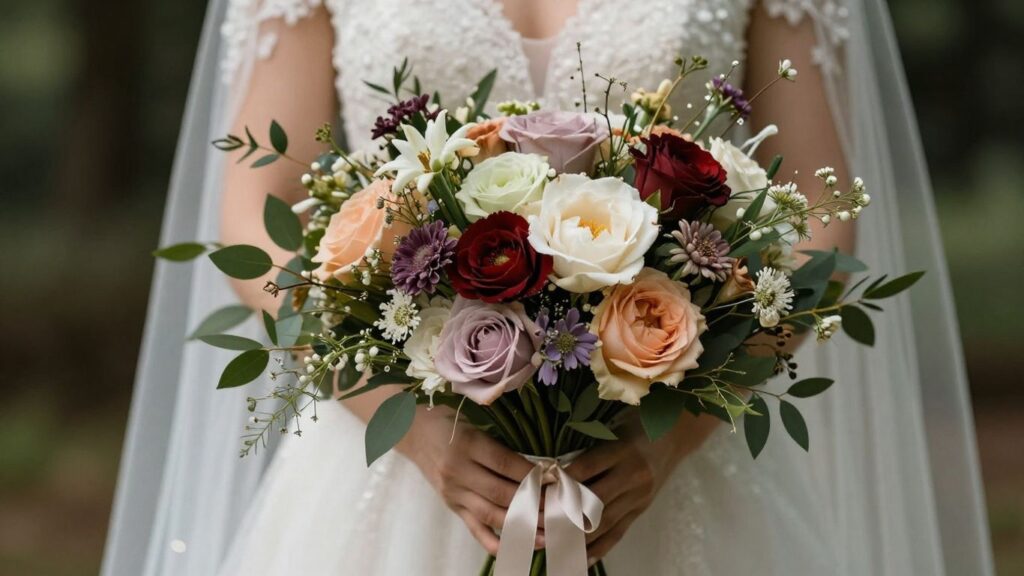
Selecting bridal bouquet styles that complement your gown
Your bouquet should act as an accessory, not a distraction from your dress. A gown with intricate beading or lace often benefits from a simpler, cleaner bouquet design. Conversely, a minimalist silk dress can handle a larger, more artistic arrangement to add drama.
Incorporating greenery and sustainable accents
Greenery adds volume and texture to your floral narrative, making arrangements feel more organic and less forced. Using locally sourced greenery also reduces the carbon footprint of your wedding decor. When you integrate these elements appropriately, you can focus on these key sustainable choices:
- Select native foliage that grows abundantly nearby.
- Source plants from local nurseries to minimize transport.
- Use foam-free installation techniques for easier post-wedding recycling.
- Compost leftover organic material after the event ends.
These practices keep your event responsible without compromising on the overall aesthetic.
Using mood boards to communicate with your florist
Sharing a visual collection helps your florist understand your stylistic direction immediately. If you have any general contractor hired for structural venue changes, they might also share light and space constraints that affect your design plan. Keeping your ideas organized prevents scope creep during the design phase.
Essential floral arrangements for your ceremony and reception
Designing florals for two distinct spaces requires careful planning to ensure the transition remains seamless. You want to focus on high-visibility moments that capture your theme effectively. For those considering technical project updates, it is worth looking at a competitive intelligence report if you really want to optimize your vendor selection process beyond just floral aesthetics.
Statement pieces for the altar and ceremony backdrop
Your backdrop serves as the frame for your vows, so it should be the most detailed floral element. Consider a hanging arch or floor-based columns of flowers that provide balance. This area is the primary focus for any photography, making it the right place for your best floral assets.
Centerpiece options for round, banquet, and head tables
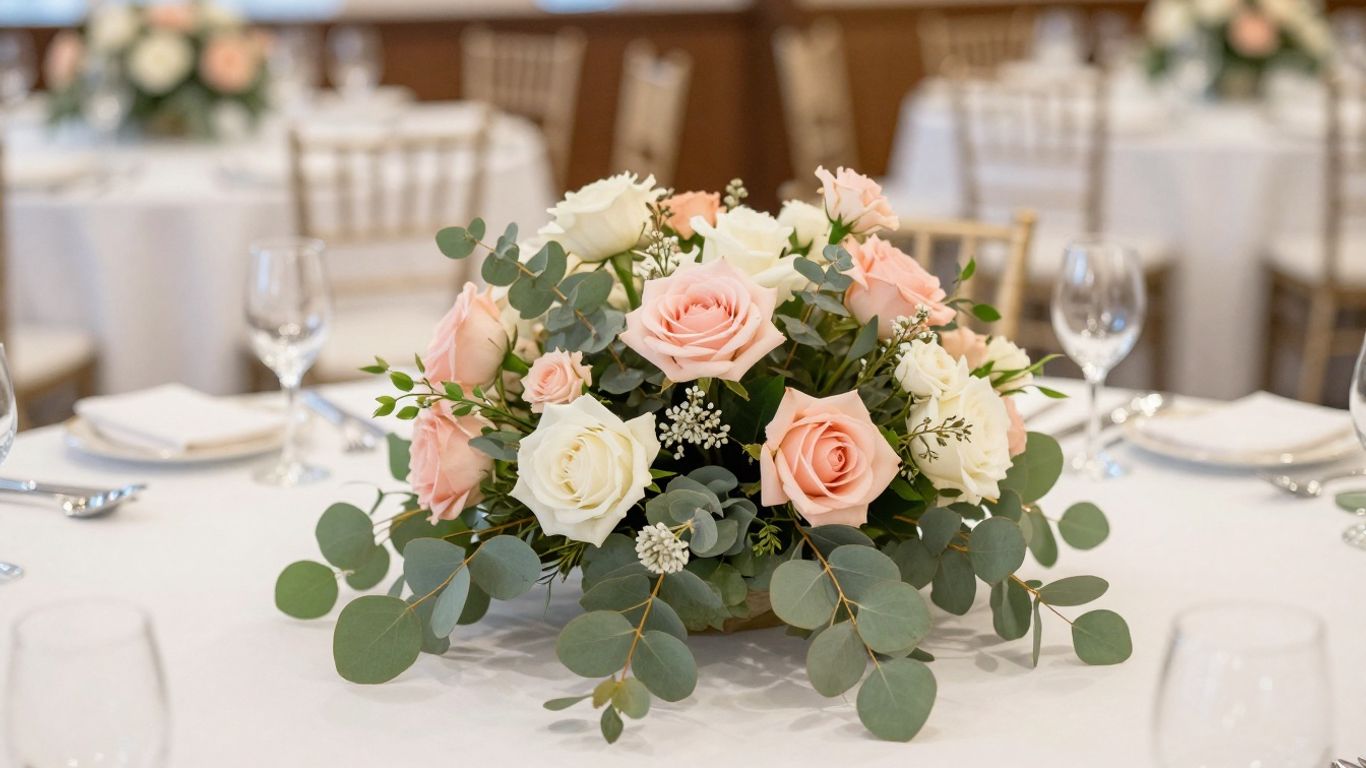
Centerpieces should allow for conversation while still feeling grand. Keep height in mind; high arrangements work well for larger banquet halls, whereas intimate round tables often benefit from slightly shorter clusters. Aim for a mix of textures that mirror your bridal bouquet for continuity.
Personal flowers for bridesmaids and groomsmen
Personal arrangements should complement the attire of your wedding party without being overly bulky. Boutonnieres for the groomsmen often stick to a single, hardy bloom, while bridesmaids might carry smaller posies that mirror the colors seen in the main ceremony decor. Matching these elements to the overall wedding theme creates a unified visual flow.
Repurposing ceremony flowers for the reception space
Moving large altar pieces to the cocktail reception or the sweetheart table is a smart way to maximize floral impact. Ask your day-of coordinator or florist to handle this shift while guests are moving to the reception site. This extra thought provides significant value for your budget.
Tips for preserving and post-wedding care
Preserving your wedding flowers keeps the spirit of the day alive long after the final event ends. Whether you decide to dry your own bouquet or hand off roofing contractor materials for other renovations, keeping your tasks organized is key. If you are learning how to host a website to share your wedding photos, you can also include a gallery of your florals here.
Options for drying or pressing your wedding bouquet
Professional pressing services provide a permanent way to display your bridal flowers in a framed piece. If you prefer to do it yourself, hanging the flowers upside down in a dark, dry space works wonders for specific varieties. Test a few stems first to see how they retain color during the drying process.
How to donate leftover flowers to local community centers
Donating your fresh stems to those who need a touch of joy can be deeply rewarding. Many florists have established relationships with local hospitals or shelters where they can deliver your blooms the day after your wedding. Check with your venue early to see if they can help facilitate this drop-off.
Renting versus buying decorative floral elements
Buying everything often leads to excess waste, while renting high-quality artificial statement pieces offers a budget alternative. This is especially helpful for large arches or oversized pedestals that you would not use again. Ensure you verify the condition of rentals ahead of time to confirm they meet your quality standards.
Contract considerations for liability and day-of services
Always clarify what the florist is liable for if weather or unexpected events impact the setup time. Clear language regarding the timeline for delivery and breakdown ensures your vendors know their expectations. A solid contract protects both parties and keeps the wedding day stress-free.
Conclusion
Selecting your wedding flowers should be a creative, enjoyable part of the planning journey that brings your personal vision into focus. By communicating clearly with local experts, respecting seasonal availability, and strategically planning your budget, you transform your venue into a beautiful reflection of your unique style while managing every detail with confidence.
Frequently Asked Questions
Should I book my florist at the same time as my venue?
Yes, it is often wise to confirm your main vendors shortly after securing the venue to ensure their availability for your specific date.
Can I use silk flowers instead of fresh ones?
Silk flowers are a valid, durable alternative if you prefer a look that can be kept long-term or if specific flowers are currently out of season.
What happens if the flowers I wanted are not available?
Work with your florist to select an in-season alternative that mimics the color and shape you initially envisioned for your arrangement.
Do I need a floral centerpiece for every guest table?
It depends on the overall aesthetic you want; you can use lower-cost greenery or candles for some tables to create varying levels of visual interest.
How do I transport personal flowers to the ceremony location?
Floral designers typically provide specific transport packaging or boxes to keep bouquets and boutonnieres protected and hydrated during travel.
Are there specific flower varieties that last longer in hot weather?
Varieties like protea, orchids, and certain succulents tend to handle heat better than delicate, thin-petaled flowers which may wilt more quickly in direct sun.
Is it possible to have a wedding without any floral arrangements?
Absolutely, some couples opt for alternative decor like ribbons, candles, or natural foliage to create a clean, modern atmosphere without using traditional flowers.