Key Takeaways
A flower subscription can make regular decorating, gifting, or workplace styling simpler, but the best plan depends on your routine and budget.
- Choose a delivery interval that matches how quickly you enjoy fresh flowers.
- Ask whether bouquets are seasonal, native, classic, or built to your preferences.
- Compare delivery areas, fees, minimum terms, and pause options before paying.
- Check how flowers are sourced, conditioned, wrapped, and replaced if damaged.
- Give clear delivery instructions so each bouquet arrives safely and remains easy to manage.
Understand how flower subscriptions work in Altona
A flower subscription in Altona is usually a recurring arrangement delivered to a home, office, or gift recipient on an agreed schedule. The bouquet may change from one delivery to the next, especially when the florist works with seasonal stems. Before ordering, clarify what is included in the price, how delivery is handled, and whether the arrangement arrives arranged or wrapped for you to style. A little checking at the start prevents an otherwise lovely service from becoming inconvenient.
What a recurring flower delivery includes
Most plans include a bouquet, a delivery date or recurring delivery window, and basic packaging. Some providers allow a choice of size or style, while others leave the design to the florist based on available flowers. Ask whether the vase is included, whether delivery is charged separately, and whether a care card accompanies the arrangement. Those details shape the real value more than a headline weekly price.
A recurring plan can also be a gift, although the recipient should know that future deliveries will continue unless the term is limited or the subscription is cancelled. For occasional presents, a single scheduled delivery may be more suitable than an open-ended arrangement.
Common delivery schedules and bouquet sizes
Weekly, fortnightly, and monthly deliveries suit different homes and habits. Weekly flowers work well for people who like a consistently refreshed room, while fortnightly deliveries offer a balance between enjoyment and cost. Monthly plans are calmer and may suit a smaller household, a quiet office reception, or someone who prefers to watch a bouquet develop over time.
Bouquet sizes also vary in practical ways. A compact arrangement can fit a bedside table, a medium bouquet may suit a dining table, and a larger design can provide a focal point in a reception area. Measure the intended surface and consider the vase opening before choosing the biggest option.
How local florist subscriptions differ from online services
A local florist may be able to respond more personally to neighbourhood delivery conditions, preferred colours, and the character of a particular space. An online service can make recurring ordering straightforward and may offer a wider range of preset plans. Neither format is automatically better; the useful comparison is how clearly each explains substitutions, delivery timing, customer support, and changes to an order.
For broader reading, this flower subscription guide covers frequency, freshness, bouquet size, budget, and cancellation questions. Use it as a starting point, then confirm the details directly with the provider serving your address.
Who benefits most from a flower subscription
Subscriptions are useful for people who enjoy flowers but rarely remember to buy them, as well as households that regularly host friends. They can also suit offices, salons, cafés, and reception desks where a small arrangement helps the space feel cared for. Gift subscriptions are thoughtful when the recipient enjoys an ongoing surprise rather than one large presentation.
They are less suitable if you travel often, have nowhere safe for deliveries, or prefer to choose every stem yourself. In those cases, a flexible one-off order may give you more control.
Choose the right bouquet style and delivery frequency
The right plan should fit the rhythm of your space rather than dictate it. Think about how long you typically keep flowers, how much care you want to provide, and whether you enjoy surprise designs. Seasonal availability can bring variety, while a more consistent style may work better with existing décor. This is where a few personal preferences become more useful than a generic “best” plan.
Weekly, fortnightly, and monthly options
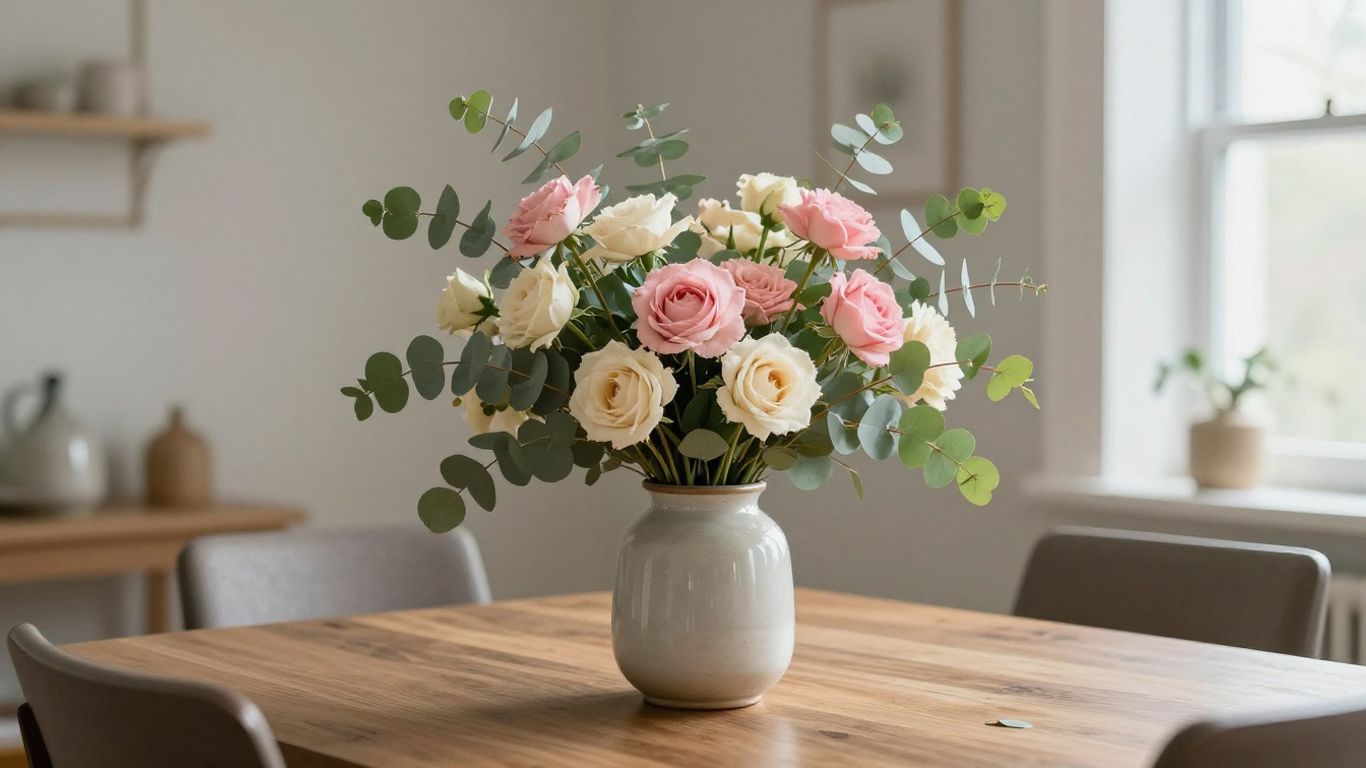
Weekly deliveries create a lively routine and are often appropriate for busy shared spaces, but they require more frequent trimming, water changes, and vase cleaning. Fortnightly plans give flowers time to open and evolve without leaving too long a gap. Monthly delivery is usually the simplest starting point for a first subscription, especially when you are still learning how much space and attention the bouquet requires.
Consider starting at a slower frequency and increasing it if the room feels bare between deliveries. A provider that lets you change the interval without restarting the plan is especially helpful.
Seasonal, native, and classic flower arrangements
Seasonal arrangements follow what is available and looking good at the time, so colours and varieties may change. Native-inspired bouquets can bring textured foliage and a more relaxed Australian character, while classic arrangements often use familiar shapes and balanced colour palettes. If you have allergies, pets, or strong dislikes, mention them before ordering rather than assuming every florist can accommodate them.
A service that substitutes flowers should explain that clearly. The goal is not identical repetition, but a design that still feels appropriate in size, tone, and quality.
Selecting bouquet sizes for homes, offices, and gifts
For a home, choose a size that leaves room around the vase and does not obstruct conversation across a table. Offices often benefit from a medium, low-profile arrangement that can be seen without interfering with screens, paperwork, or customer movement. A gift bouquet can be larger for a celebration, but a compact design may be kinder when the recipient has limited bench space.
The following simple guide can make the choice less abstract:
| Setting | Useful starting size | Main consideration |
|---|---|---|
| Bedside table | Compact | Keep the arrangement clear of personal items |
| Dining table | Medium | Preserve sightlines across the table |
| Reception desk | Medium to large | Make it visible without blocking service |
| Gift for a small home | Compact to medium | Match the recipient’s available space |
After choosing a size, check the likely stem length and vase requirements. A bouquet that looks generous online can feel awkward if it is too tall for its destination.
Adjusting deliveries for holidays and special occasions
A recurring plan should allow room for birthdays, anniversaries, dinner parties, and periods when the recipient is away. Ask how far ahead you need to request a skip, change, or special delivery date. For a major occasion, it is sensible to confirm the date separately rather than relying on a routine delivery window.
If you want to send flowers for a particular event, Wildberry Flowers describes arrangements for birthdays, anniversaries, sympathy, Mother’s Day, and other occasions, along with same-day delivery if ordered before 12 pm. Treat any date or cutoff as something to verify when ordering, since delivery conditions can change.
Compare local flower subscription providers
Comparing plans is less about finding the lowest advertised price and more about understanding what happens after the first bouquet. Look at the florist’s design approach, delivery coverage, communication, and rules for changes. A clear service page is useful, but direct answers matter when a plan involves recurring payments. Keep notes as you compare so small differences do not disappear into a long list of promises.
Florist expertise and arrangement quality
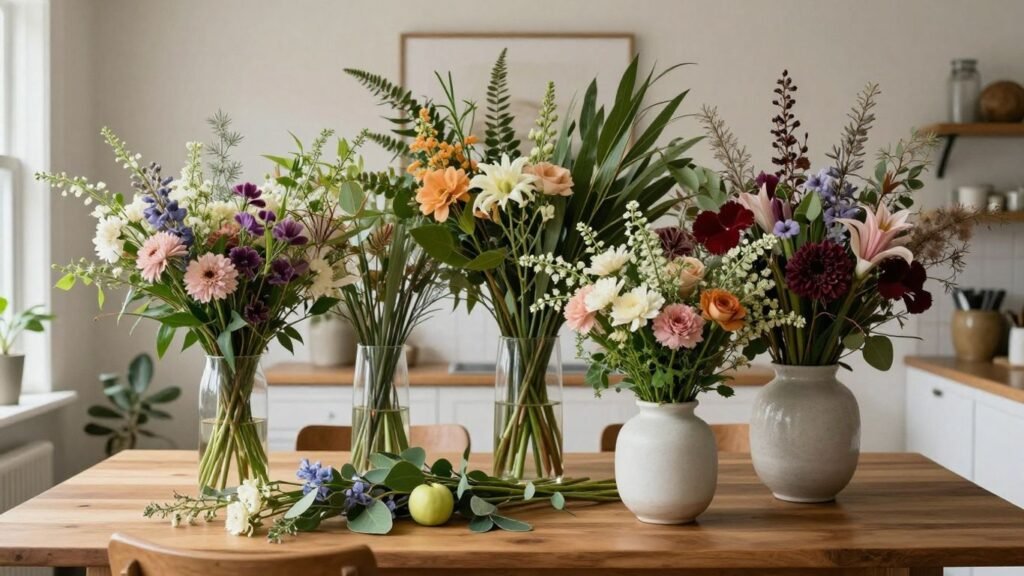
Look for recent photographs that show varied arrangements rather than one highly styled image. Pay attention to stem condition, proportion, colour balance, and whether the work suits the kind of room where you will place it. A good florist should be able to explain how substitutions are made when a particular flower is unavailable.
Ask whether the bouquet is designed for a specific style, such as seasonal, native, or classic. You can also describe your room and preferred colours in ordinary language; the response will tell you a lot about how collaborative the service is.
Delivery areas, time windows, and same-day options
Confirm that the provider delivers to your part of Altona and whether the recurring service uses a set day, a date range, or a narrower time window. Apartment access, concierge desks, gates, and business reception hours may affect the handoff. Same-day delivery is more relevant to an urgent gift than to a regular subscription, but it can reveal how clearly a florist communicates cutoffs and availability.
The same-day delivery guide is a useful example of the kinds of convenience features shoppers may encounter, including live tracking and delivery photos. Check whether those features apply to subscriptions or only to individual orders.
Subscription pricing, minimum terms, and cancellation policies
Calculate the likely cost over several deliveries, including delivery fees, taxes, vase charges, and optional add-ons. Then read the minimum term and cancellation rules before entering payment details. Some plans are designed as fixed-length gifts, while others renew until you stop them; the distinction should be obvious.
A transparent provider will explain when a pause takes effect, whether missed deliveries are refunded or rescheduled, and how much notice is needed. If those answers are difficult to find, ask before committing.
Customisation, add-ons, and gift messaging
Customisation might mean choosing a colour family, selecting a preferred size, noting a flower to avoid, or adding a message. Ask which preferences are guaranteed and which are requests that depend on stock. Add-ons such as chocolates, a vase, or a card can be convenient, though they should be priced separately and described accurately.
For budget-conscious ideas, this affordable flower guide discusses lower-cost ways to bring flowers into an Altona home, including single stems, markets, and pre-wrapped bunches. It can help you decide whether a full subscription or a smaller recurring arrangement makes more sense.
Plan a subscription around Altona’s seasons and occasions
A subscription becomes more enjoyable when it follows the calendar without becoming predictable. Seasonal flowers can change the mood of a room, while event-based deliveries give the plan a clear purpose. Think about the recipient’s taste as well as the occasion: a restrained arrangement may suit a workplace, while a colourful bouquet can feel right for a birthday. Planning in advance also makes public holidays and travel easier to manage.
Flowers that suit different times of the year
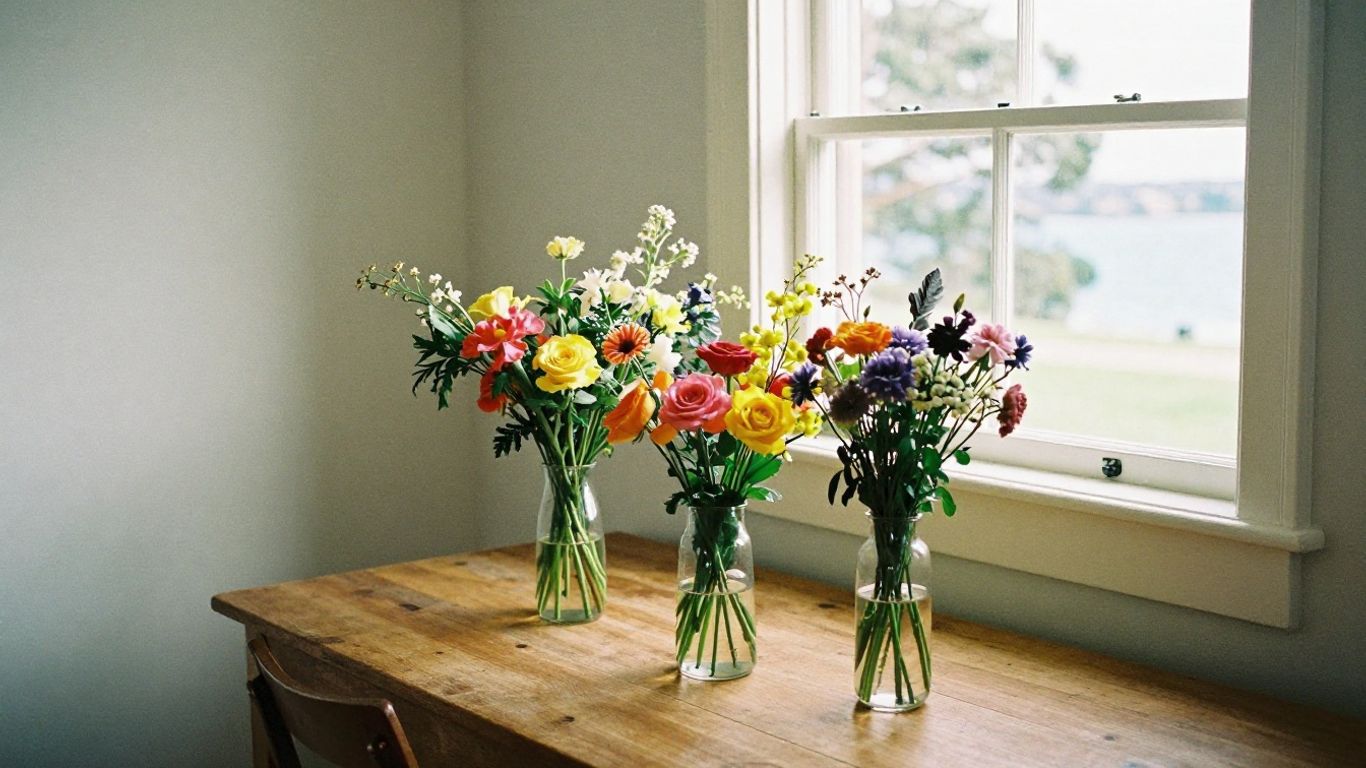
Seasonal flowers tend to offer the best connection to what local growers and florists can source at a given time. Rather than requesting one exact variety throughout the year, describe the mood you want: soft and pale, bright and lively, textural and native-inspired, or simple and classic. This gives the florist room to make a strong arrangement while respecting availability.
Also consider the room’s light and temperature. A warm, sunny spot may shorten vase life, so a cooler position away from direct sun can be a better home for every delivery.
Birthday, anniversary, and thank-you deliveries
For birthdays, colour and personality may matter more than formality. Anniversaries often call for a considered palette and a message that feels personal, while thank-you flowers can be smaller and understated. Include the recipient’s name, occasion, preferred delivery date, and any access details when placing the order.
If you are deciding between an ongoing gift and a one-time gesture, check the flower gift options for ideas about flexible schedules and different bouquet styles. Keep the final choice grounded in the recipient’s home, preferences, and ability to receive deliveries.
Corporate flowers for workplaces and hospitality venues
Workplaces and hospitality venues usually need consistency, reliable timing, and arrangements that do not obstruct customers or staff. A low arrangement may be safer for a café table, while a reception desk can accommodate something taller if it does not block sightlines. Establish who receives the flowers, where they are placed, and who handles water and trimming between deliveries.
For several locations, ask whether the florist can keep instructions organised by address. A simple written brief can include preferred size, colour direction, access hours, and a contact person for each site.
Managing deliveries during travel and public holidays
Before a trip, pause or move deliveries rather than letting flowers sit unattended. Public holidays may alter the normal schedule, so ask how dates shift and whether the service contacts you when a delivery cannot proceed. If a neighbour, concierge, or colleague will accept the bouquet, provide their details in advance and confirm that the florist records them correctly.
A subscription is easiest to enjoy when the delivery calendar reflects real life. Build in a reminder a few days before travel and major holidays, even if the provider offers account notifications.
Check freshness, sustainability, and service reliability
Freshness begins before the bouquet reaches your door. It depends on when flowers were cut, how they were transported, how stems were conditioned, and how long the finished arrangement waits before delivery. Sustainability is broader than packaging alone, so ask practical questions about sourcing, seasonal choices, reusable materials, and waste. Reliable service then ties these qualities together by delivering the arrangement in good condition and responding fairly when something goes wrong.
How florists source and condition flowers
Ask whether flowers are selected according to season and availability, and whether the florist conditions stems before arranging them. Conditioning can include recutting stems, removing lower foliage, hydrating flowers, and allowing some varieties to open at the right stage. The exact process may differ, but a florist should be willing to explain how it supports vase life.
You can also ask how substitutions work. A thoughtful substitute preserves the bouquet’s overall shape and mood instead of simply filling space with whatever is left.
Packaging, local sourcing, and waste reduction
Look for packaging that protects the flowers without creating unnecessary layers. Reusable vases, recyclable paper, minimal plastic, and compostable green waste can all be relevant, but do not assume a sustainability claim covers every part of the service. Ask whether packaging can be collected, whether flowers are sourced locally when practical, and how leftover stems are handled.
Local sourcing may reduce travel for some orders, though availability and season still affect the final arrangement. The most useful answer is a specific one rather than a vague environmental slogan.
What to look for in delivery and replacement guarantees
A delivery guarantee should explain what happens if flowers arrive damaged, wilted, late, or at the wrong address. Check the reporting period, whether photographs are required, and whether the remedy is a replacement, credit, refund, or another arrangement. A clear process is more reassuring than an absolute promise that every delivery will be perfect.
Keep the packaging and take a quick photograph if a problem occurs. Contact the florist promptly, describe what happened, and include the order details so the issue can be assessed fairly.
Reading reviews and evaluating customer service
Reviews are most useful when they mention recurring deliveries, communication, flower condition, and how problems were resolved. Look for patterns across recent feedback instead of giving too much weight to one glowing or angry comment. You can also send a short question before ordering; the speed and clarity of the reply are evidence about the service you are considering.
When researching adjacent household services, keep the subject clear: commercial appliance repair belongs to a different buying decision, just as bathroom renovation services do. Separating unrelated search results helps you judge flower providers on relevant evidence rather than on generic local-service claims.
Order and manage a flower subscription in Altona
Once you know the style, frequency, and budget you want, ordering should be fairly straightforward. Have the practical details ready, read the recurring-payment terms, and save the confirmation. The first delivery is also a chance to refine the plan: note the bouquet’s scale, how long it lasted, and whether the drop-off worked. Small adjustments can turn a merely convenient service into one that fits your life.
Information to prepare before ordering
Prepare the recipient’s full name, delivery address, phone number, preferred delivery days, and any building or business access notes. Add allergies, pet concerns, colour preferences, disliked flowers, and the intended room where those details are relevant. If it is a gift, write the message separately so it is easy to check before submitting.
You should also know whether you want an open-ended subscription or a fixed number of deliveries. That decision affects both the payment schedule and the cancellation process.
Choosing delivery instructions and a safe drop-off location
Choose a shaded, protected location that is accessible without leaving the bouquet exposed to heat, wind, rain, or public foot traffic. Apartments may need a concierge or reception instruction, while houses may have a side entrance or sheltered porch. Tell the florist whether they should call on arrival or leave the bouquet only when someone confirms receipt.
If no safe location exists, arrange for a neighbour or workplace contact to accept the flowers. Clear instructions reduce missed deliveries and protect the bouquet’s condition.
Setting a budget and payment schedule
Set a monthly ceiling that includes delivery and likely extras, then compare it with the number of bouquets you expect to receive. A cheaper monthly plan may not be better if the bouquet is too small or the delivery fee is high. Conversely, a larger arrangement can be wasteful if the recipient cannot use all the flowers before they fade.
The pickleball birthday gift guide is unrelated to choosing flowers, but it illustrates a useful general shopping habit: compare options by recipient, use, and budget rather than by price alone. For a flower plan, apply that same discipline to size, frequency, and total cost.
Changing, pausing, or cancelling your subscription
Save the provider’s account or customer-service details as soon as you order. Check the notice period for skips, the date a cancellation becomes effective, and whether a delivery already in preparation can still be changed. If you are travelling, a pause is usually more useful than cancelling and starting again.
When a subscription is a gift, make sure the payer knows how renewal works. A fixed end date avoids an unexpected continuation, while an open plan requires an occasional review.
Making the most of your ongoing flower deliveries
Trim stems when the bouquet arrives, use a clean vase, remove foliage below the waterline, and refresh the water regularly. Keep flowers away from direct sun, heaters, strong drafts, and ripening fruit. These simple habits can make a noticeable difference without requiring specialist equipment.
Keep a brief record of arrangements you loved, flowers that lasted well, and sizes that suited the room. Share that feedback with the florist before the next delivery so the plan becomes more personal over time.
For a separate gift or urgent order, local flower delivery may be more appropriate than changing a recurring plan. Choose the option that matches the occasion, timing, and recipient rather than forcing every need into a subscription.
Conclusion
A flower subscription in Altona works best when its frequency, bouquet style, delivery instructions, and cost all match the recipient’s real routine. Compare the practical terms, ask how flowers are handled, and start with a manageable plan that you can adjust as the seasons and your schedule change.
Frequently Asked Questions
How often should flowers be delivered?
Weekly delivery suits people who want constantly refreshed flowers, fortnightly delivery offers a balanced routine, and monthly delivery is a practical lower-maintenance option. Start with the interval that fits your space and budget rather than choosing the most frequent plan automatically.
Are flower subscriptions usually fixed-term or ongoing?
They can be either. Some are sold as a set number of deliveries, especially when given as gifts, while others renew until the customer pauses or cancels. Read the renewal and end-date wording before paying.
Can I request particular flowers?
Many florists accept preferences, colour guidance, or requests to avoid certain flowers, but availability can change with the season. Ask whether a preference is guaranteed or simply used as design guidance.
What bouquet size is best for a small home?
A compact or medium bouquet is often easiest to place in a small home. Consider the width of the table, the height of the vase, and whether the arrangement will obstruct windows, screens, or conversation.
How should flowers be cared for after delivery?
Place them in a clean vase with fresh water, recut the stems, remove submerged foliage, and keep the arrangement away from direct heat and sun. Refreshing the water regularly can help maintain its appearance.
What should I do if a bouquet arrives damaged?
Take photographs, retain the packaging, and contact the florist promptly with the order details. Check the provider’s replacement or refund policy so you know what information and response time apply.
Can I pause a subscription while travelling?
Often, yes, but the notice period varies. Request the pause before the next bouquet enters preparation, and confirm the date when deliveries will resume so there is no confusion.